Leave Your Message
Purpose-built storage solutions combining anti-theft engineering with outdoor-grade materials for cyclists who demand reliable protection.
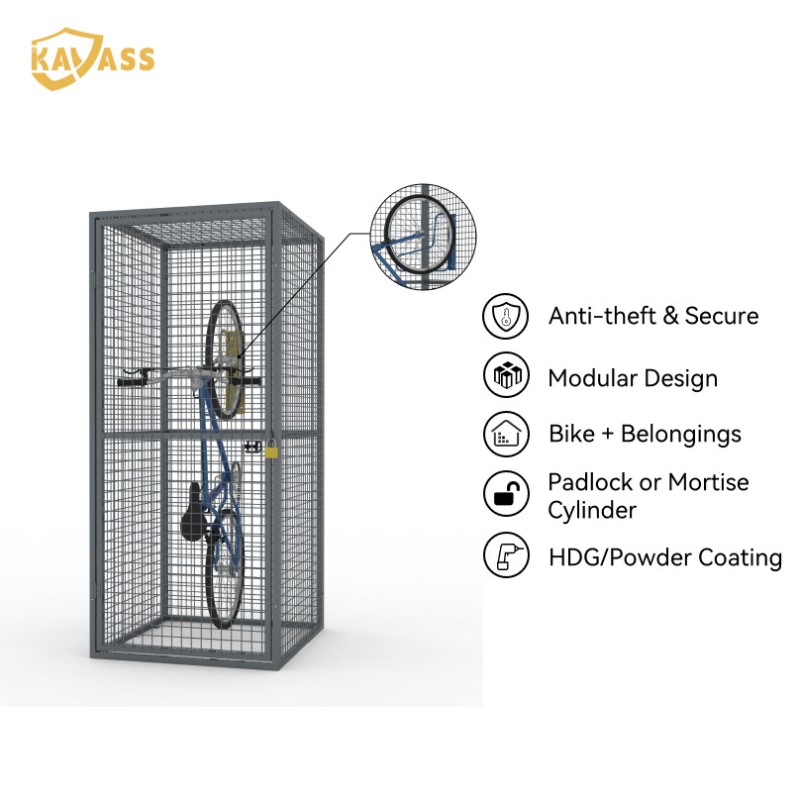
Bicycle theft is one of the most underreported yet economically significant crimes affecting urban commuters worldwide. According to law enforcement data from multiple countries, an estimated 1.5 to 2 million bicycles are stolen annually in North America and Europe combined — with the majority of thefts occurring in public outdoor areas where bikes are locked to street infrastructure or left in unsecured racks. An outdoor bicycle storage locker purpose-built for theft prevention represents the most effective single intervention available to property owners, city planners, and facility managers.
Unlike simple bike racks that only secure the wheel or frame at a single point, a bicycle storage locker outdoor encases the entire bicycle within a hardened, enclosed structure. This eliminates opportunistic theft — which accounts for over 70% of all bicycle crime — and significantly raises the barrier for planned, tool-assisted theft. The locker is not merely a product; it is a systemic security upgrade for any property that attracts cyclists.
The commercial and industrial market for outdoor bicycle storage lockers has experienced remarkable growth over the past decade, driven by converging trends: expanding urban cycling infrastructure, green commuter policies, e-bike adoption, and rising awareness of property crime. The global cycling infrastructure market — which encompasses bike racks, lockers, repair stations, and related equipment — was valued at over USD 1.2 billion in 2023 and is projected to exceed USD 2.1 billion by 2030, growing at a CAGR of approximately 8.2%.
Government mandates are a primary demand driver. In the European Union, revised mobility directives now require commercial buildings above a certain size to provide dedicated, secure bicycle parking. The United Kingdom's National Planning Policy Framework encourages local authorities to mandate cycle storage for new residential and commercial developments. In the United States, LEED certification credits incentivize secure bicycle parking, and numerous municipal ordinances require employers with over 50 staff to offer protected bike storage. These regulatory tailwinds are translating into substantial procurement volumes from property developers, transit authorities, and corporate facility managers.
In the Asia-Pacific region, the story is different but equally compelling. Rapid urbanization, motorcycle and e-scooter proliferation, and government-backed cycling initiatives in countries such as China, Japan, Singapore, and South Korea are creating entirely new demand channels. City governments are deploying large-scale bicycle locker programs at metro stations, public parks, and business districts — often tendering contracts for hundreds or thousands of units simultaneously.
Several macro-trends are reshaping how manufacturers, specifiers, and end-users think about outdoor bicycle storage lockers for theft prevention:
Next-generation bicycle lockers are increasingly equipped with digital lock systems — QR code access, RFID card readers, and mobile app control — that replace traditional padlocks. These smart lockers log entry and exit events, allow remote monitoring, and can integrate with facility management platforms. For commercial operators, smart access dramatically reduces administrative overhead and enables usage-based billing models. IoT-enabled lockers also generate data on cycling patterns, helping urban planners optimize infrastructure deployment.
Modern demand requires flexible configurations. Manufacturers now offer modular locker systems that can be assembled into rows of 2, 4, 8, or more units with shared structural elements — reducing material cost and installation time. This modularity is especially valuable for transit hubs and large employers whose cycling population may grow over time.
The explosive growth of e-bikes — global e-bike sales surpassed 45 million units in 2023 — is fundamentally changing storage requirements. E-bike lockers must accommodate larger frames, heavier weights (often 20–30 kg), and provide internal power outlets for battery charging. Integrating EV-grade weatherproof electrical systems into steel locker enclosures is becoming a standard engineering challenge for manufacturers.
For locations without convenient electrical infrastructure — parks, rural transit stops, construction sites — solar-integrated bicycle lockers with battery backup systems are gaining traction. These off-grid solutions maintain digital access control without grid dependency, expanding deployment possibilities significantly.
As bicycle lockers move from utilitarian afterthoughts to planned urban furniture, design standards have risen sharply. Architects and landscape designers now specify lockers that harmonize with building facades, street furniture palettes, and public realm guidelines. Powder-coated finishes, perforated panel aesthetics, and bespoke RAL color matching are increasingly standard offerings.
Corporate campuses with hundreds or thousands of employees represent one of the highest-volume application scenarios. Employers who invest in secure bicycle locker programs see measurable returns: higher cycling commuter uptake, reduced vehicle parking pressure, improved ESG credentials, and enhanced staff amenity perceptions. A typical Fortune 500 campus may deploy 50–200 individual locker units, configured in banks at building entry points and parking structures. Anti-theft features such as hardened steel carcasses, anti-drill lock cylinders, and concealed hinge bolts are prioritized by facility managers.
Multimodal transport hubs are the single largest addressable market for secure bicycle lockers. The "first mile / last mile" cycling problem — connecting distant neighborhoods to transit nodes — requires reliable, theft-proof bicycle storage that commuters can trust to protect high-value bicycles all day. Deployments at major rail stations routinely involve 100–500 units, often managed by transit authorities under subscription models where monthly or annual access fees generate ongoing revenue.
Healthcare workers — nurses, doctors, technicians — often cycle to work during early morning or late evening shifts in areas of elevated theft risk. Hospitals have an institutional duty of care to provide secure parking. Outdoor bicycle lockers at healthcare facilities must withstand 24/7 usage cycles, resist vandalism, and be accessible to users with various physical abilities.
Student populations are among the most enthusiastic cycling communities, yet university campuses also suffer disproportionately high bicycle theft rates. Purpose-built outdoor lockers at dormitories, libraries, and academic buildings deliver both theft prevention and space optimization compared to sprawling open rack installations. Universities often specify high-capacity vertical storage systems to maximize the number of bikes protected per square meter.
Urban apartment developers — particularly those targeting young, active professionals — increasingly list secure bicycle storage as a marketing differentiator. Compact outdoor locker banks in courtyard or basement forecourt positions allow residents to store bicycles securely without cluttering interior common areas. Property developers report that secure bike storage adds measurable value to rental and sale listings in competitive urban markets.
Large logistics and distribution centers, often located in peri-urban areas with high vehicle theft rates, employ hundreds of shift workers many of whom cycle to work. Industrial-grade outdoor bicycle lockers at shift change areas must handle extremely heavy usage volumes, resist aggressive environmental conditions (chemical exposure, extreme temperatures), and provide rapid access for workers arriving and departing in tight time windows.
Municipal parks authorities are deploying bicycle lockers at trail heads, picnic areas, and sports facilities to encourage recreational cycling without the anxiety of theft. These deployments prioritize weather resistance, vandal resistance, and low-maintenance operation over many years without attended supervision.
Retailers and shopping center operators are recognizing that cyclists represent a growing customer segment with strong spending power. Providing secure bicycle lockers at store entrances removes a key friction point for cycling customers — the reluctance to leave an expensive bicycle unattended during a shopping trip. Forward-thinking retail operators in Europe and Australia are using secure locker provision as a competitive advantage to attract cycling customers.
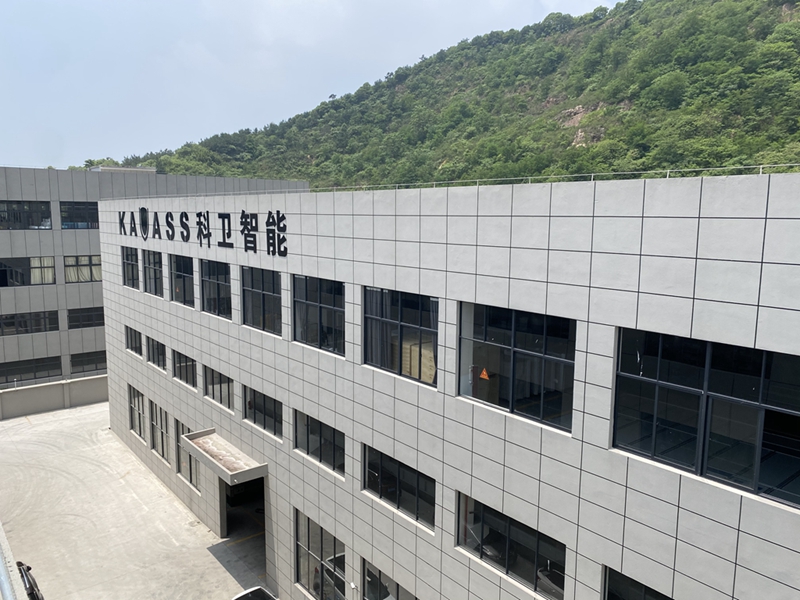
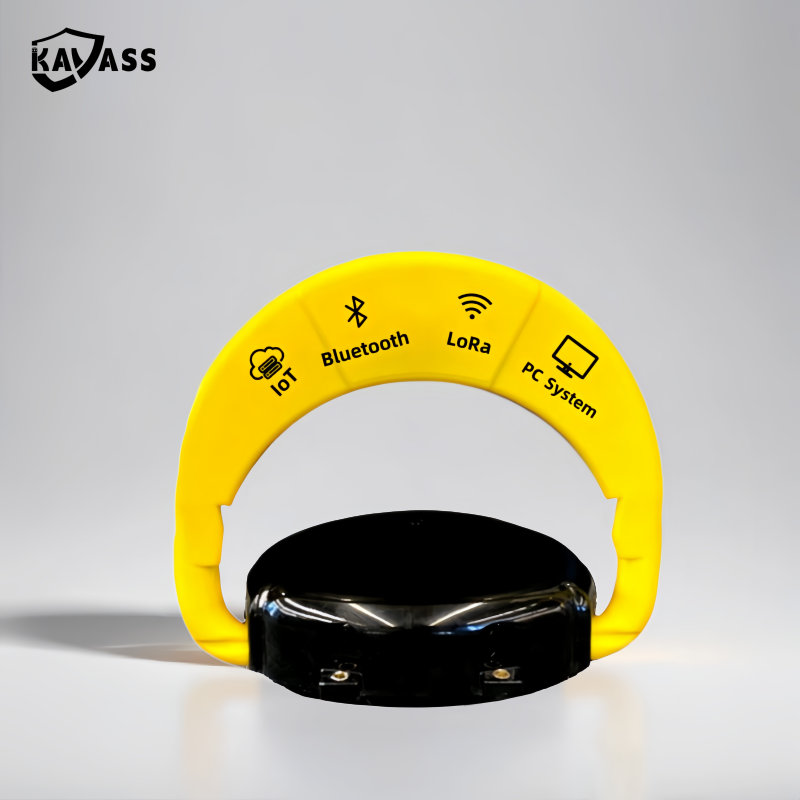
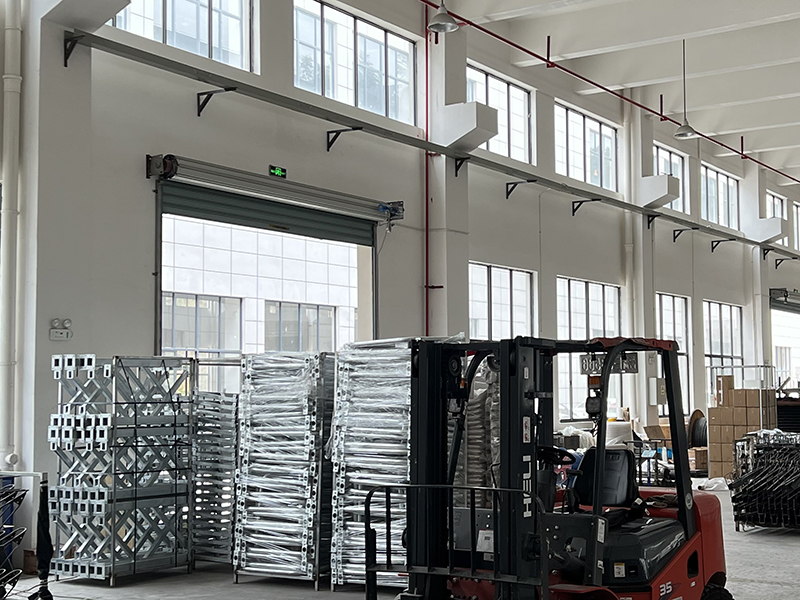
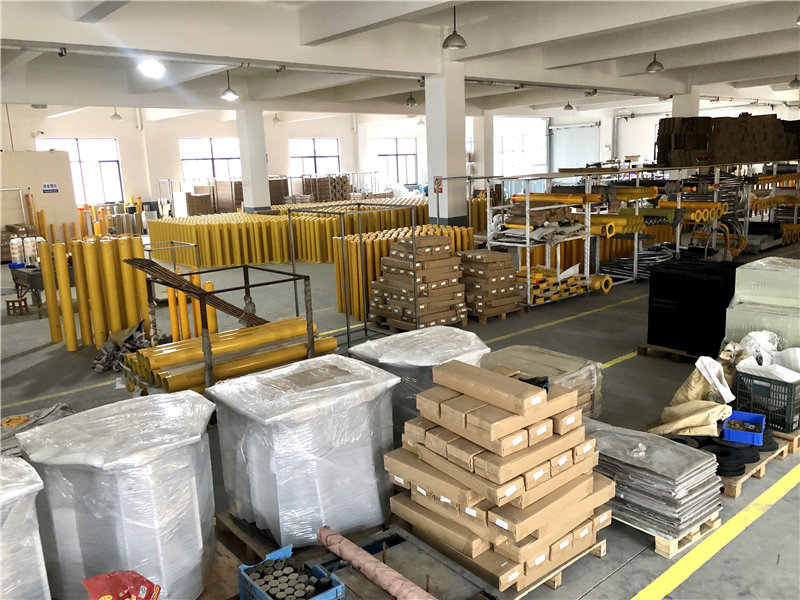
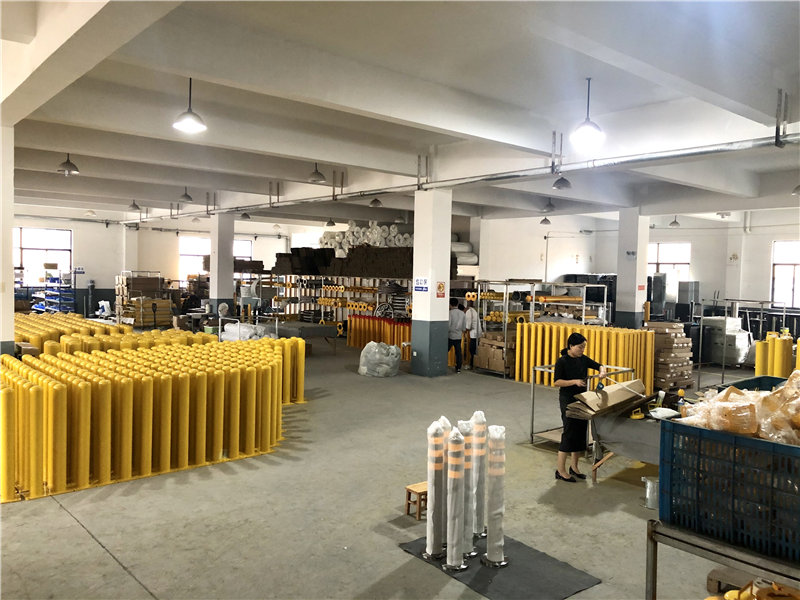
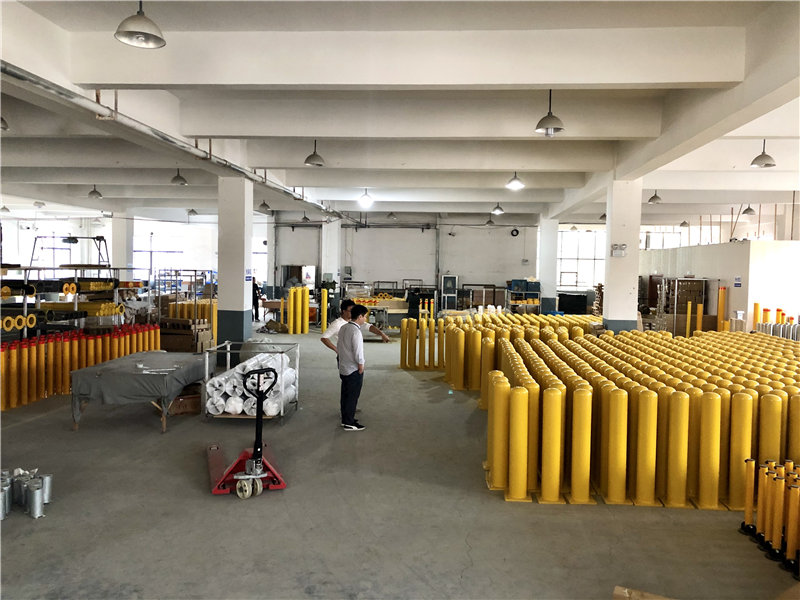
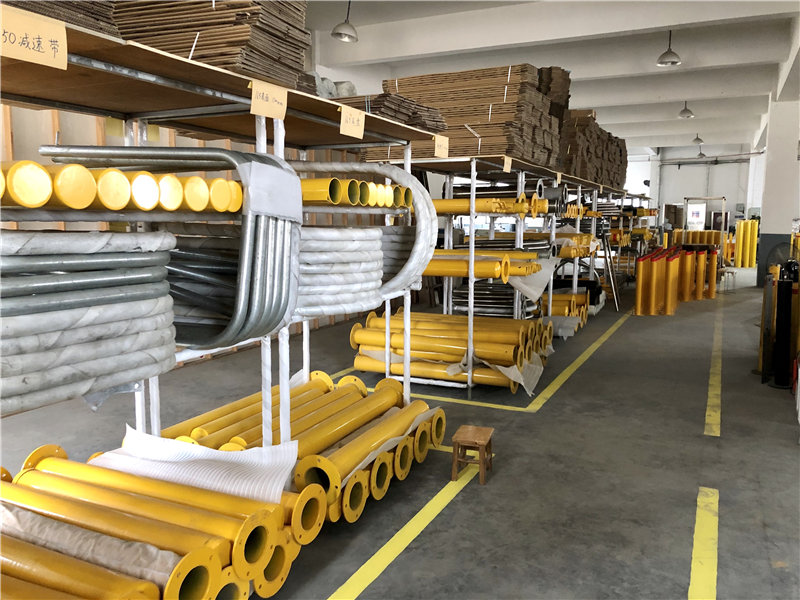
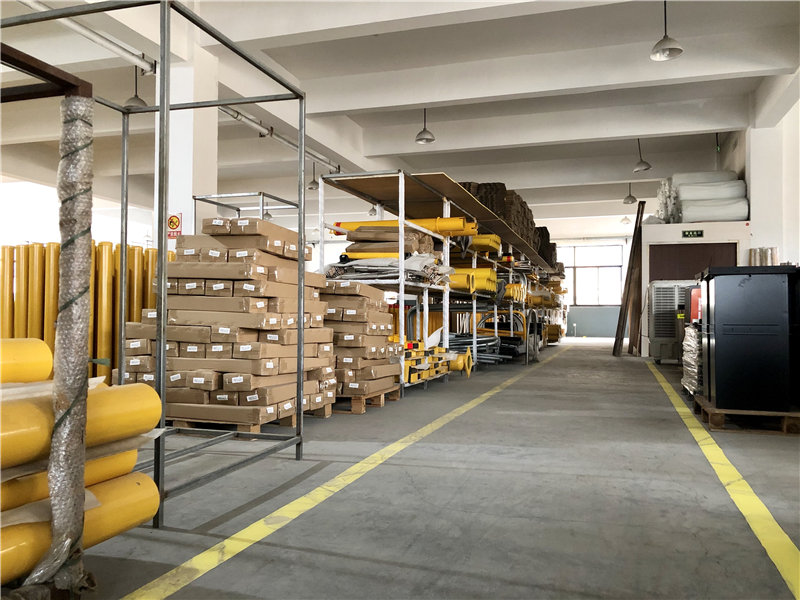
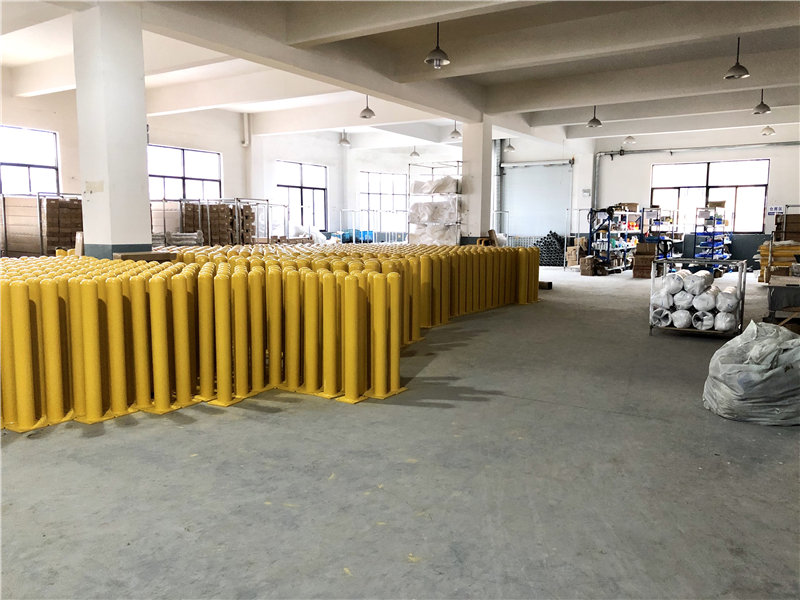
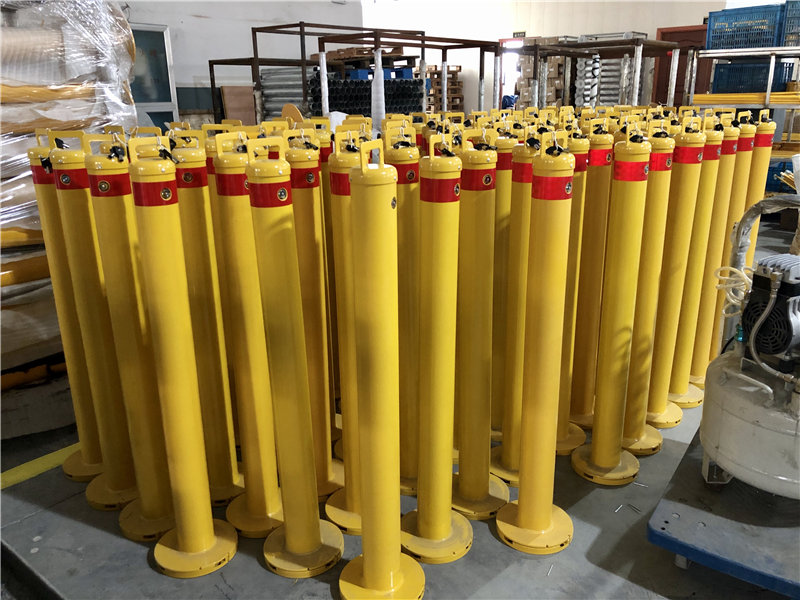
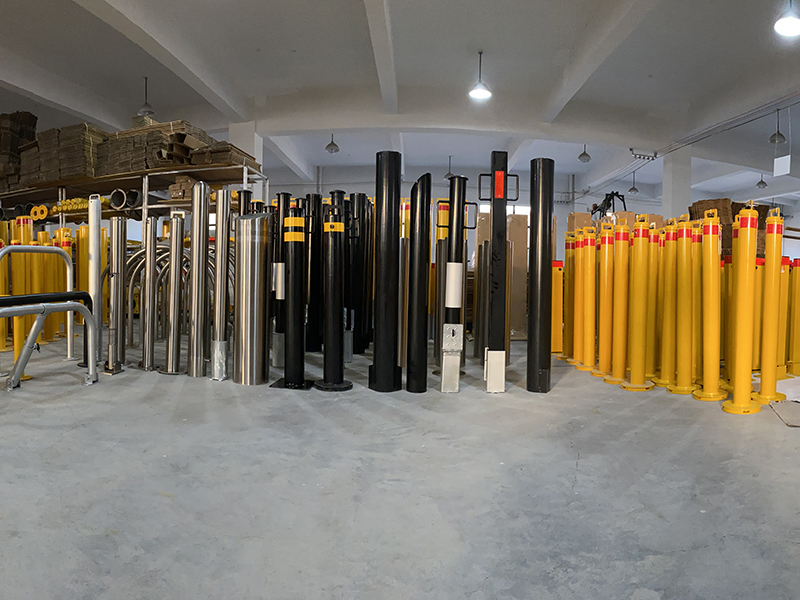
KAVASS Security Tech Limited is a professional manufacturer focused on traffic safety and perimeter protection solutions, with more than 18 years of industry experience. We specialize in the design, production, and supply of a wide range of products, including parking locks, bollards, bike racks, outdoor bicycle storage lockers, and other urban infrastructure equipment.
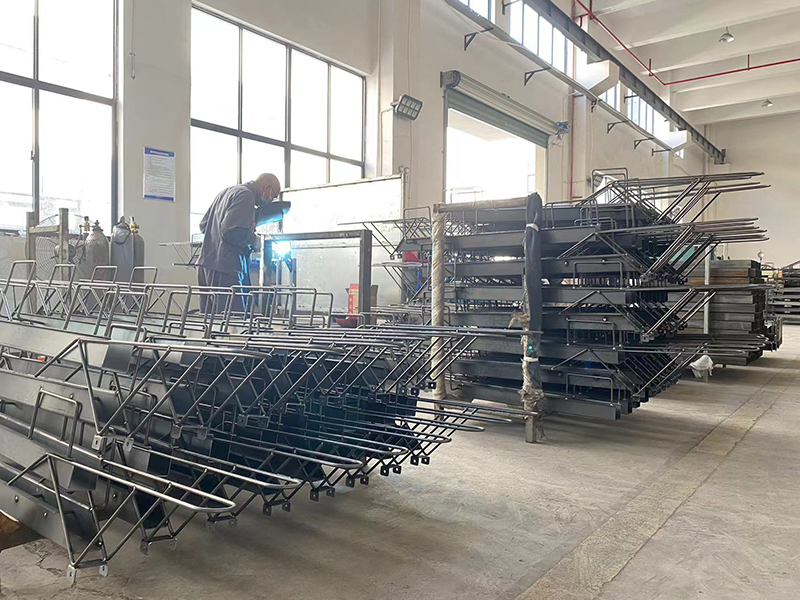
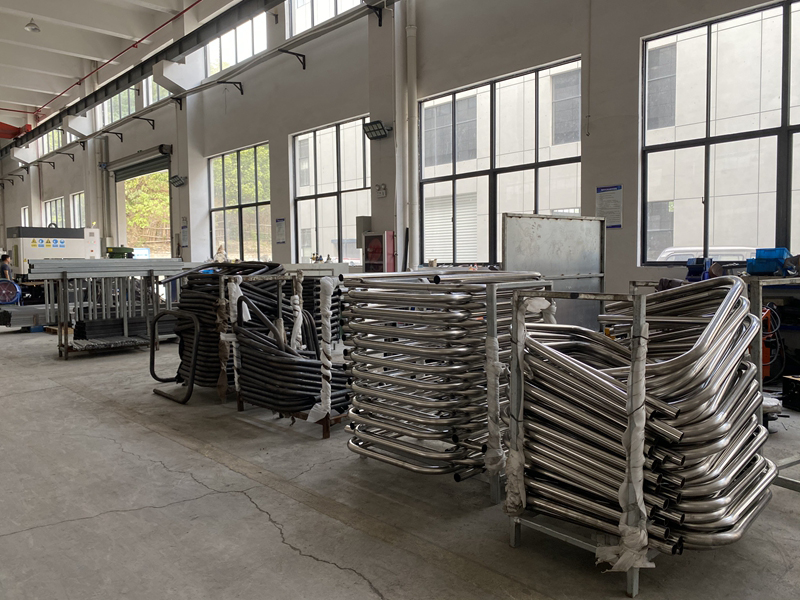
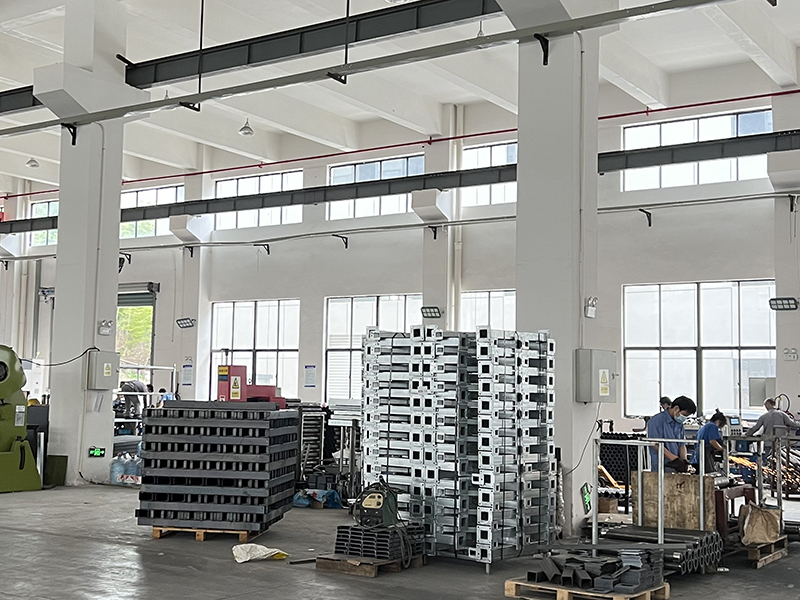
By integrating product development, manufacturing, and after-sales support, we provide efficient one-stop solutions tailored to the needs of global clients. Our production base is equipped with advanced machinery and modern manufacturing processes, supported by a skilled engineering and quality control team.
From raw material selection to final inspection, every step is carefully managed to ensure consistent product performance and long-term reliability. This enables us to meet the demands of various applications, from standard products to fully customized project requirements including size, material, finish, and branding.
KAVASS products are widely applied in urban infrastructure, commercial properties, industrial facilities, residential communities, and public spaces. We offer flexible customization options including size, material, finish, and branding.
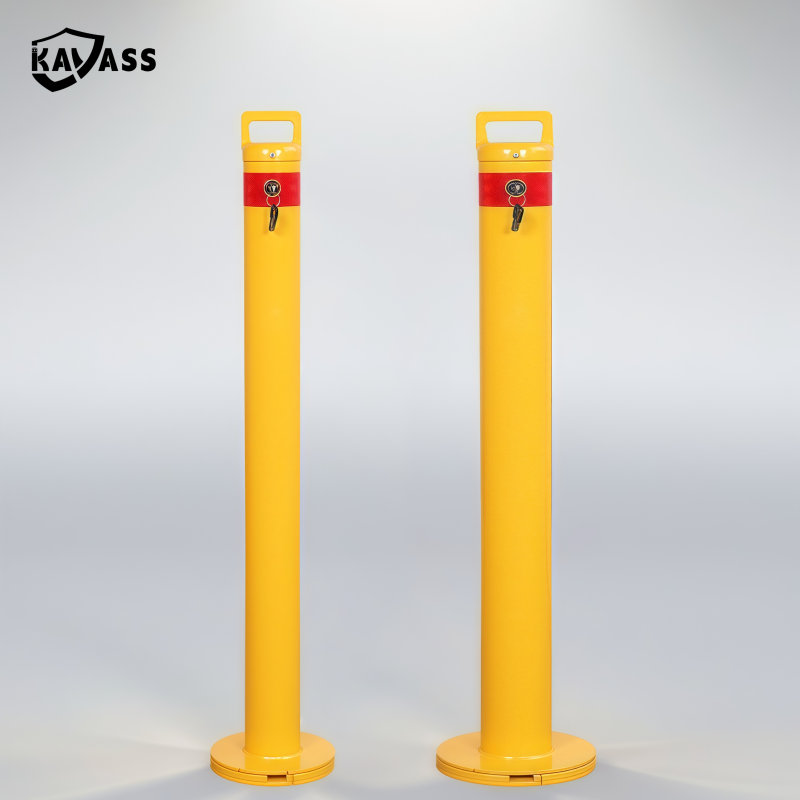
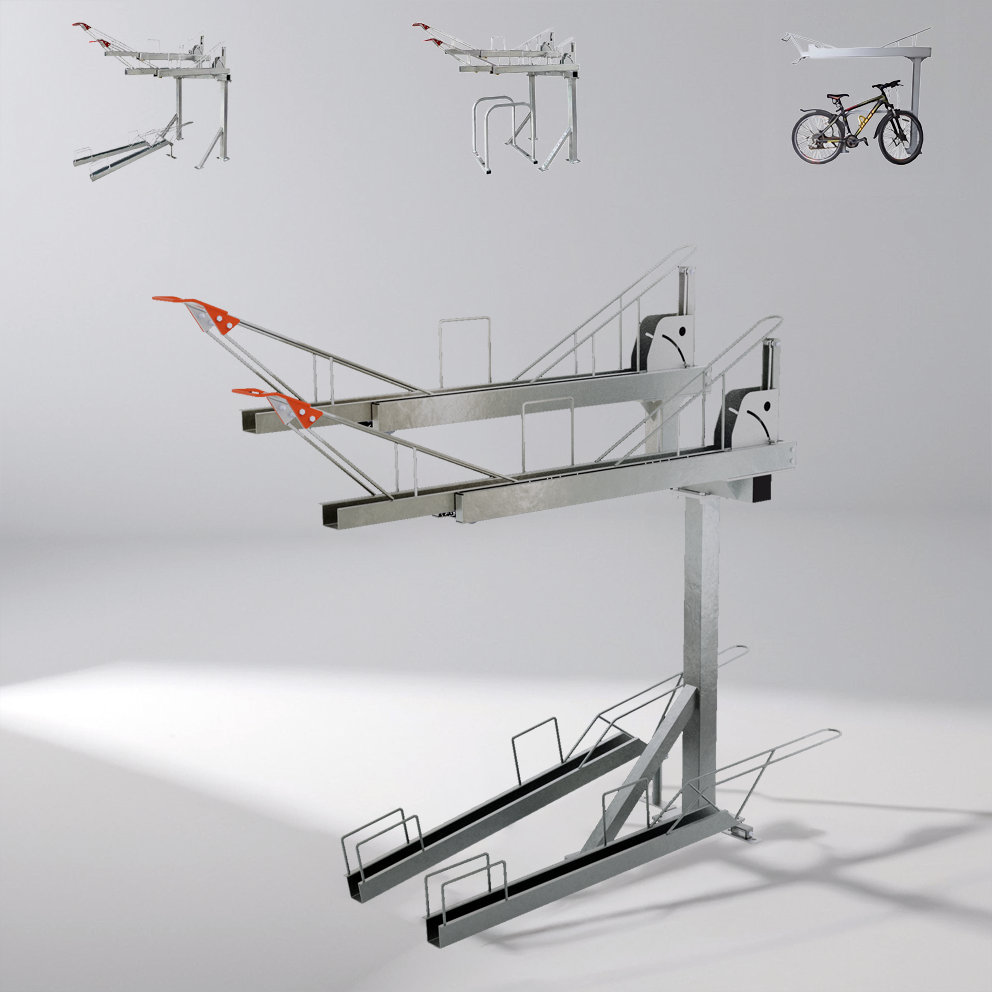
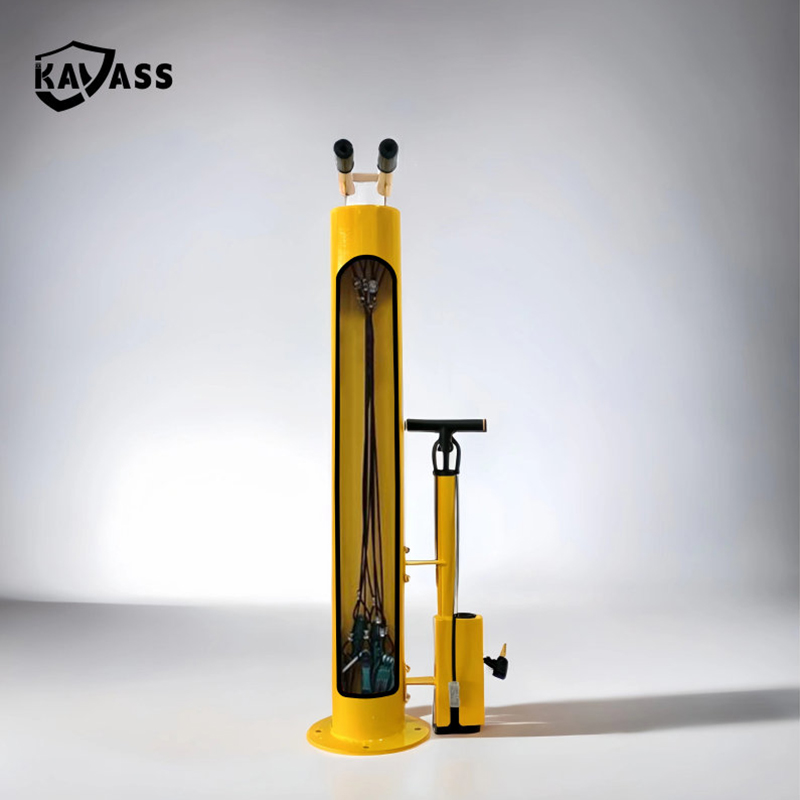
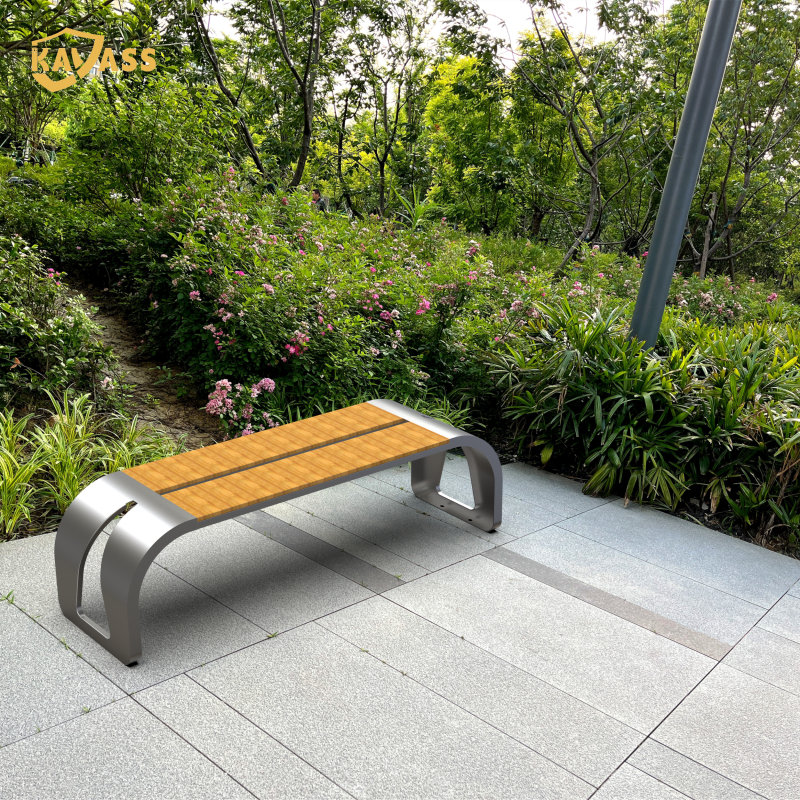
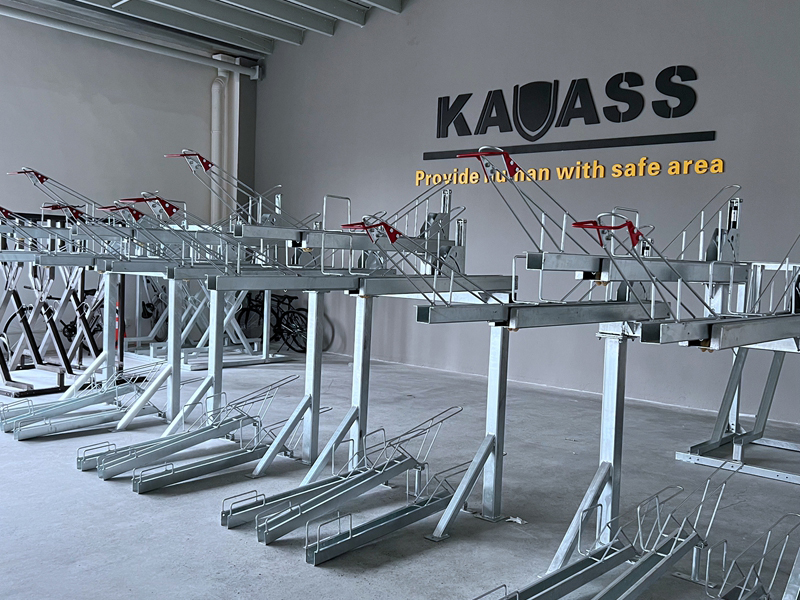
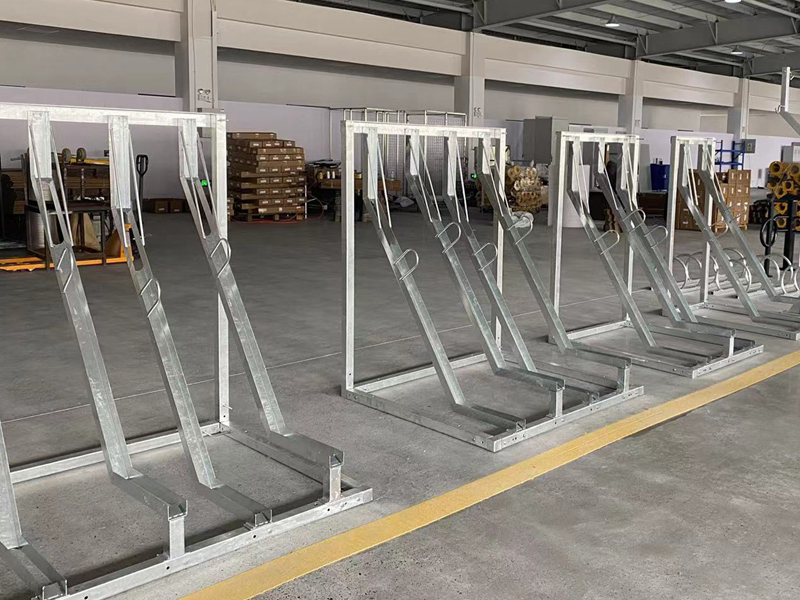
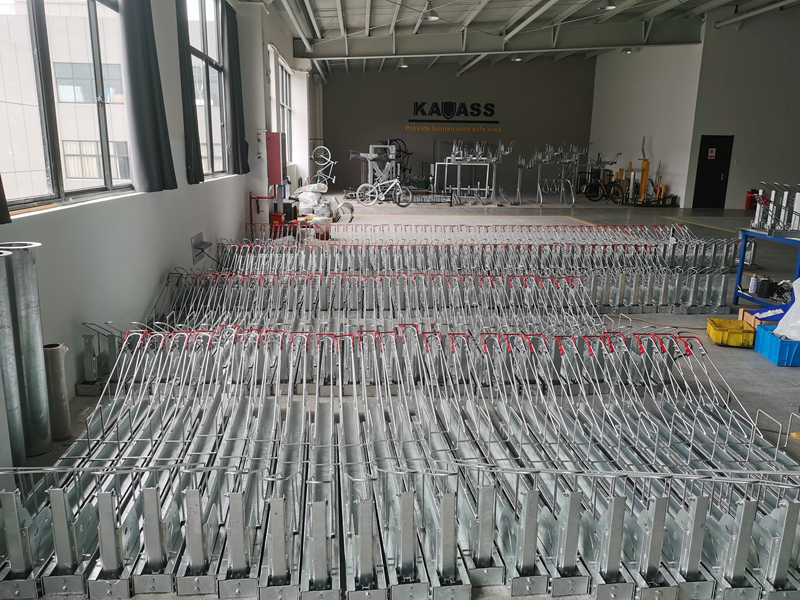
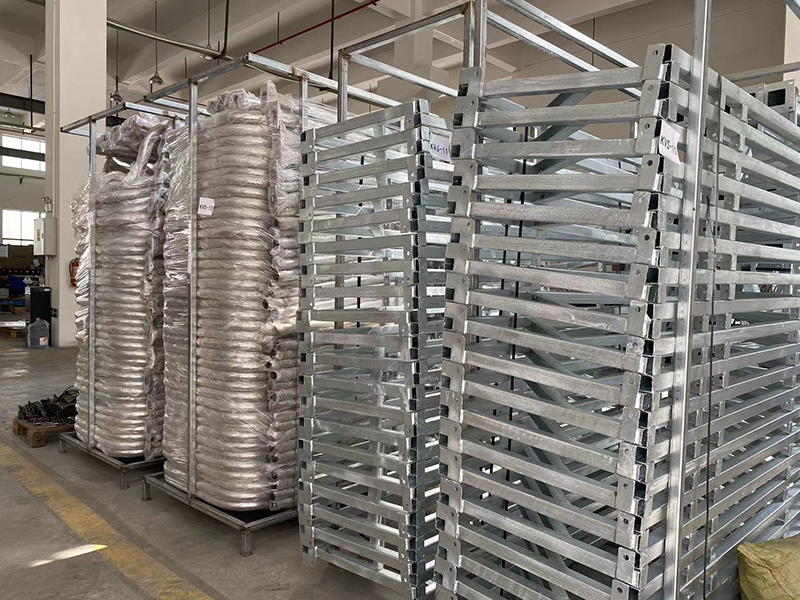
Contact KAVASS today for expert product recommendations, custom specifications, and competitive factory pricing on outdoor bicycle storage lockers.
Get a Free Quote →