As more and more people around the world start to really see how crucial it is to adopt sustainable habits, the role of Recycle Trash Cans has become more important than ever. According to reports from the Global Recycling Foundation, recycling can cut down waste by up to 90%. That’s a pretty huge deal, especially considering how millions of tons of plastic and garbage still end up in landfills each year. In China, which is a major manufacturing hub, lots of Original Design Manufacturers (or ODMs for short) are stepping up with new, innovative waste management solutions.
The landscape in China’s ODM scene is changing. Companies like Haier and TCL are starting to incorporate eco-friendly designs into their Recycle Trash Cans. Not only do these new designs help promote better recycling habits, but they also show a real commitment to reducing the environmental footprint. Of course, the tricky part is making sure these products are easy to use and actually encourage people to recycle more. Plus, sustainability shouldn't mean sacrificing quality or usability — it’s all about finding that right balance.
This ongoing shift towards greener solutions opens up a lot of opportunities, but it also comes with its own set of challenges for businesses. As the demand for Recycle Trash Cans continues to grow, suppliers have a big responsibility to find that sweet spot between innovation and practicality. Because, at the end of the day, how well these solutions work in real life will really depend on getting that balance just right.
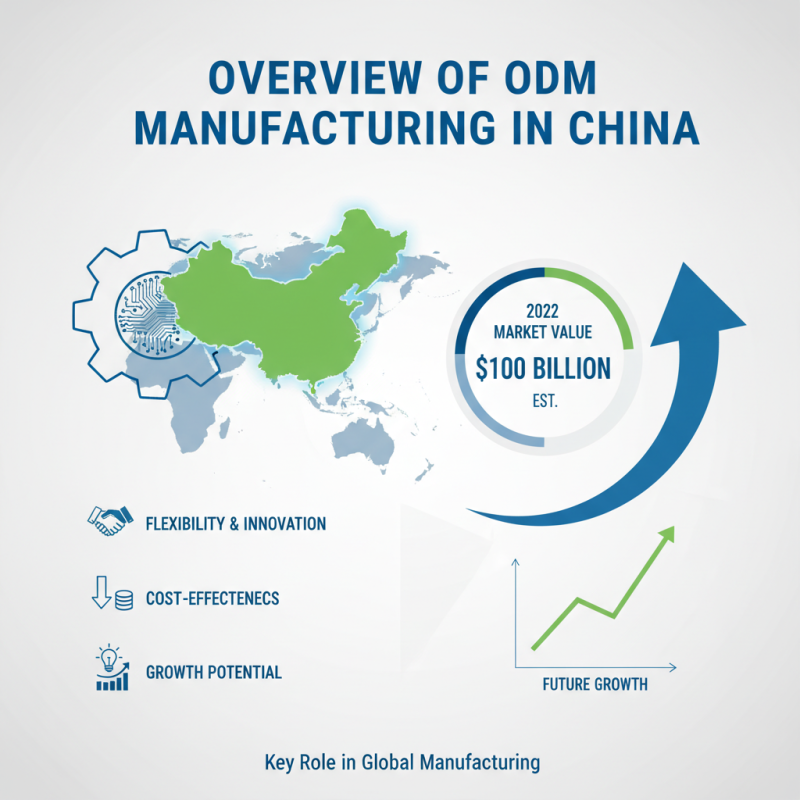
Overview of ODM Manufacturing in China
ODMs in China play a vital role in the manufacturing landscape. These companies offer flexibility, innovation, and cost-effectiveness. In 2022, the estimated market value of ODM production reached approximately $100 billion, showcasing significant growth potential.
China's ODM sector thrives on sustainability. Recent statistics indicate a 30% increase in demand for eco-friendly products, including recycled trash cans. Many ODMs are investing in sustainable materials and production techniques. This shift meets consumers' growing expectations for environmentally responsible products.
Despite the progress, challenges remain. Quality control can sometimes falter, leading to inconsistencies in the final product. Additionally, the lack of standardized regulations may cause confusion in sustainability claims. Manufacturers must address these issues to enhance their reputation and reliability. As the market evolves, the need for greater transparency in sourcing and production will become paramount.
Importance of Sustainable Trash Solutions
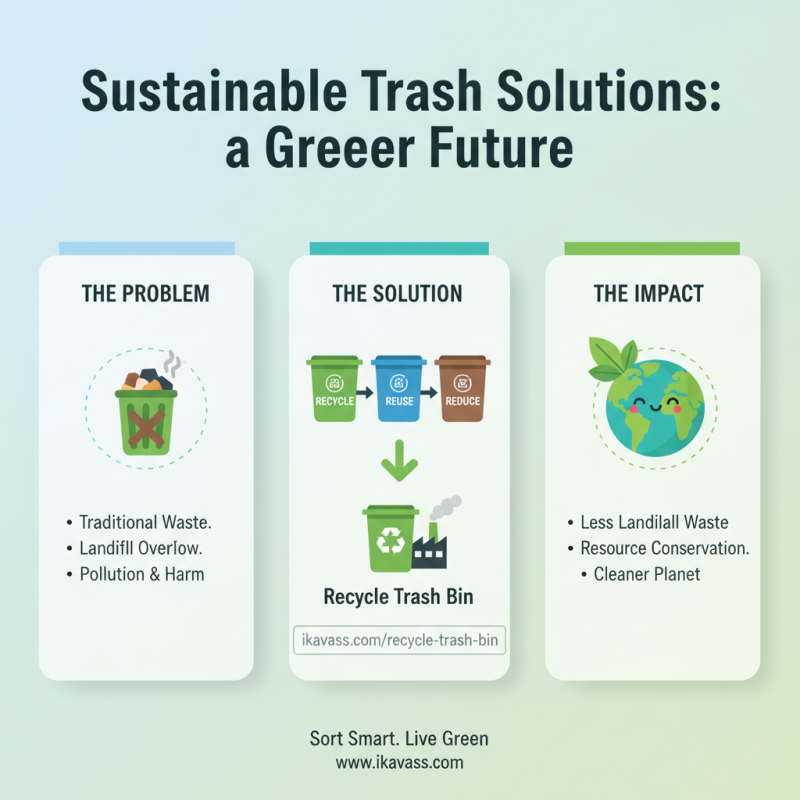
Sustainable trash solutions are essential in today’s world. Traditional waste management methods often create more problems than they solve. This is where options like the Recycle Trash Bin come in. Choosing an effective system for waste sorting reduces landfill impact. It encourages recycling and responsible disposal.
Implementing sustainable practices is easier than it seems. Start with small changes at home or in the office. Use a Recycle Trash Bin to separate recyclables from regular waste. This simple act makes an enormous difference. Monitor how much waste you’re producing. Reflect on your habits regularly to identify areas for improvement.
Investing in sustainable trash solutions is vital. Consider local suppliers that focus on eco-friendly materials. They contribute to a circular economy. It may feel overwhelming at first, but every step counts. Educating yourself and others about proper waste disposal can create a ripple effect. In the end, making environmentally conscious choices is a collective responsibility.
Criteria for Evaluating Trash Can Suppliers
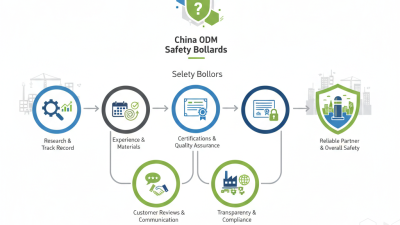
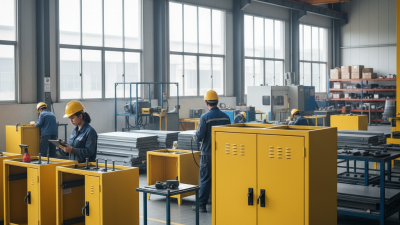
When evaluating trash can suppliers, certain criteria stand out. Assessing their experience in producing
Commercial Trash Cans
is crucial. A supplier with years of experience often understands industry demands better. They can offer products that meet
environmental standards and consumer needs. Look for suppliers with a proven track record in sustainable practices.
Their commitment to recycling and eco-friendly materials is essential.
Quality is another vital aspect. An ideal supplier should provide robust, durable products.
Check the materials used in their trash cans. Recycled plastics or biodegradable components show a dedication to sustainability.
Ensure the products are tested for longevity and reliability. A good supplier will emphasize the durability of their
Commercial Trash Cans.
Lastly, consider the supplier's ability to innovate. The garbage disposal industry evolves rapidly.
Suppliers should be open to incorporating technological advancements. This could mean smart features or enhanced designs for better
waste segregation. A willingness to adapt often indicates a transparent and reliable partner.
While evaluating these factors, it's essential to remain critical and question market trends in the trash can industry.
Top ODM Companies Specializing in Recyclable Materials
In an era where sustainability is crucial, businesses are seeking reliable suppliers for eco-friendly products. Many companies specialize in producing
Garbage Recycle Bins from recyclable materials.
These Original Design Manufacturers (ODMs) focus on innovative designs that enhance waste segregation. Their efforts support global recycling initiatives and promote responsible consumption.
One notable trend among ODMs is the use of post-consumer recycled plastics in their products. This practice reduces environmental impact and aligns with
sustainable development goals. However, not all suppliers deliver the same quality or reliability. It is essential for businesses to conduct
thorough research on potential suppliers. Understanding the materials used and the manufacturing processes can help ensure
that sourced products truly meet eco-friendly standards.
The market isn't devoid of challenges. Some suppliers may cut corners to reduce costs, risking product integrity. It's vital to look for transparency
in sourcing and production practices. Eco-conscious consumers expect more than surface-level sustainability claims. Engaging with reputable suppliers that offer detailed insights into their practices
can lead to better investment in sustainable solutions.
Innovative Designs in Recycle Trash Cans
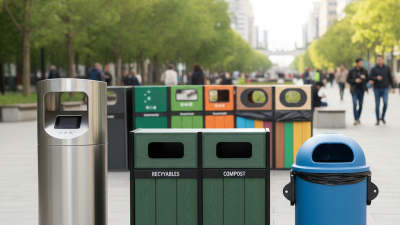
Innovative designs in recycle trash cans are reshaping how we approach waste management. The focus is on functionality and aesthetics. Many designs now integrate sensors that detect when cans are full. This feature encourages timely disposal and optimizes collection schedules. Additionally, the materials used often include recycled plastics. This reduces the carbon footprint, adding an eco-friendly dimension to waste solutions.
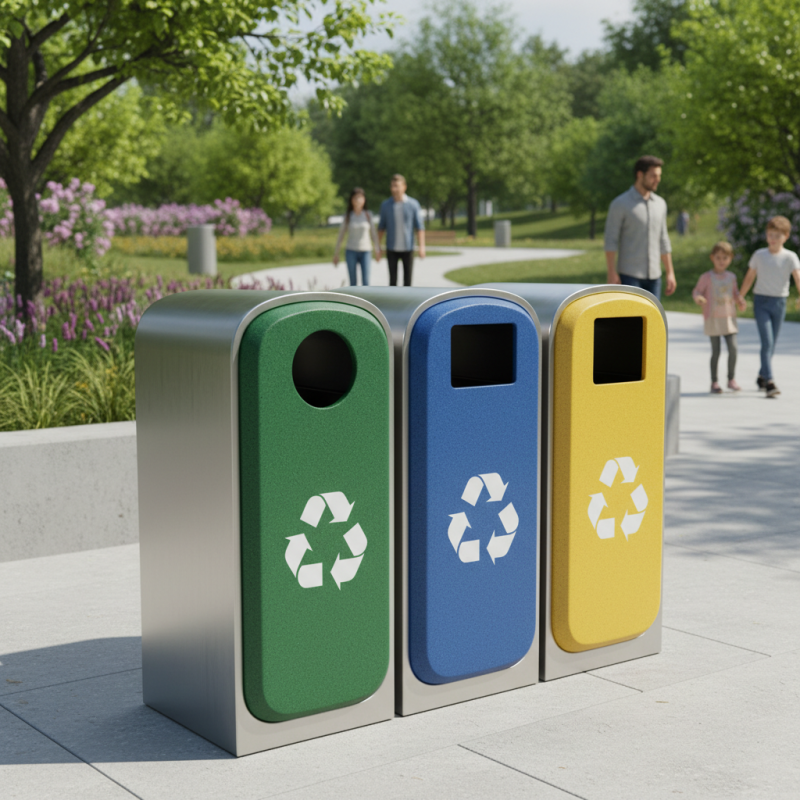
Moreover, some designs showcase modular systems. These allow users to customize the size and type of containers based on specific needs. This flexibility is key for both residential and commercial use. Some recycled bins even feature visual cues, like color-coding. Such elements guide proper recycling practices and promote user engagement. There's a learning curve in adopting these new systems. Understanding the workings can sometimes be challenging for users.
While innovative, these designs are not without flaws. The aesthetic appeal might not fit all environments. Additionally, the reliance on technology can lead to malfunctions. Some users may struggle with the upkeep of more complex systems. The balance between cutting-edge design and practicality remains a critical consideration. As the market evolves, continuous feedback will be vital for improvement.
Evaluating Environmental Impact of Trash Cans
When evaluating the environmental impact of trash cans, it’s essential to consider materials used in their production. Metal Cans, for instance, are durable and recyclable. Their longevity reduces the need for frequent replacements. However, the energy consumption during their manufacturing process is significant. This raises questions about their overall sustainability compared to biodegradable options.
Another factor to examine is waste management. How we dispose of trash cans can affect the environment. Metal cans are often recycled, but improper disposal still occurs. Many users may not fully understand local recycling rules. This can lead to metal cans ending up in landfills, negating their eco-friendly advantages. Public education on recycling practices is crucial for improving outcomes.
The design of trash cans also influences their environmental footprint. A poorly designed can may lead to contamination in recycling streams. Users might mix recyclables with general waste unknowingly. There is room for improvement in creating clear, informative designs. Trash cans must encourage proper disposal habits while still being functional. Engaging manufacturers in sustainable design practices can significantly reduce waste impact.
Environmental Impact of Recycle Trash Cans from Chinese ODM Suppliers
Future Trends in Sustainable Waste Management Solutions
The future of sustainable waste management is emerging. A recent report from the Global Recycling Foundation notes that the recycling rate for municipal solid waste is only about 35%. This statistic highlights the urgent need for innovative recycling solutions, particularly in the ODM (Original Design Manufacturer) sector in China. These suppliers play a crucial role in developing products that reduce landfill waste and promote recycling.
As environmental regulations tighten globally, the role of China’s ODM suppliers becomes even more critical. Data shows that by 2025, the market for sustainable waste solutions is expected to grow by 15% annually. This growth can be attributed to an increased consumer demand for eco-friendly products. Trash cans designed for easy sorting can encourage waste separation at the source. However, many manufacturers still struggle with integrating sustainable practices into their supply chains.
Current trends indicate a shift towards materials that are both recycled and recyclable. Biodegradable plastics and smart recycling bins with sensors are gaining traction. Yet, challenges persist. Not all consumers are fully engaged in recycling practices, pointing to a need for education. Industry data suggests that up to 80% of waste could be diverted from landfills if more effective public engagement strategies are developed. Addressing these gaps will be crucial for the success of future sustainable waste management solutions.
FAQS
: Experience is crucial. It often leads to better understanding of industry demands.
Look for recycled plastics or biodegradable components. This shows sustainability commitment.
Durable products ensure longevity. Quality affects performance and user satisfaction.
They can incorporate smart features and better waste segregation designs. Adaptation is key.
Only about 35% of municipal solid waste is recycled. There's a pressing need for improvement.
Many consumers aren't fully engaged in recycling. Education can drive better waste management practices.
Trends include using recycled materials and smart recycling bins. These promote better recycling methods.
Design features for easy sorting at the source help consumers separate waste effectively.
Integrating sustainable practices into supply chains remains a persistent struggle.
Increased demand for eco-friendly products will drive growth in sustainable solutions by 15% annually.
Conclusion
The article titled "2026 Best China ODM Recycle Trash Cans Suppliers for Sustainable Solutions" explores the pivotal role of Original Design Manufacturers (ODM) in China's sustainable waste management sector, particularly focusing on recycle trash cans. It highlights the urgent need for sustainable trash solutions and outlines critical criteria for assessing suppliers, emphasizing the importance of environmental responsibility in manufacturing practices.
Furthermore, the article discusses the leading ODM companies that specialize in recyclable materials and innovative designs in recycle trash cans. It evaluates the environmental impact of these products while considering future trends in sustainable waste management solutions. As the demand for eco-friendly alternatives grows, the article serves as a guide for selecting quality suppliers dedicated to fostering a greener planet through effective waste disposal solutions.