When you’re working on urban planning, picking out the right traffic bollard isn’t just a small detail—it’s actually pretty important for keeping everyone safe and keeping things running smoothly. John Thompson from SafeRoad Solutions puts it nicely when he says, "Traffic bollards are like the quiet heroes on our streets." His point really hits home about how these simple little structures are crucial for managing traffic flow and protecting pedestrians.
Now, when you're trying to figure out which bollard to go with for your project, it pays to think about what you actually need. Different places might need different materials, heights, or styles. Are you more worried about how it looks, how visible it is, or how secure it makes things? Each choice impacts how people and vehicles move around in public spaces. It’s easy to overlook these details, but ignoring them could cause some pretty pricey problems later on.
Sure, there are a bunch of options out there, but not all of them are perfect fits. Every type of traffic bollard comes with its own pros and cons. Taking the time to consider what’s best for your specific project can help you avoid common mistakes. Picking the right Bollard Traffic can really make a difference—balancing safety and style in today’s cityscapes.
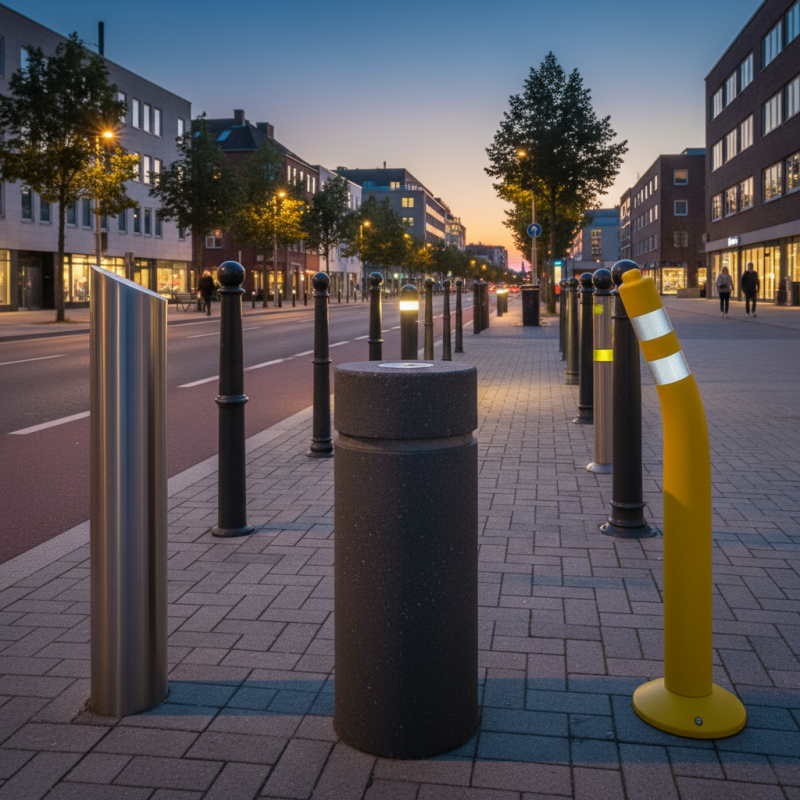
Definition and Purpose of Traffic Bollards
Traffic bollards are essential fixtures in urban planning. They serve multiple purposes, from guiding vehicular traffic to protecting pedestrians. These sturdy posts are often seen in parking lots, sidewalks, and roadways.
One primary function of traffic bollards is to enhance safety. By creating barriers between vehicles and pedestrians, they reduce the risk of accidents. They can also deter unauthorized vehicle access in sensitive areas. However, selecting the right type of bollard can be challenging. Factors such as height, material, and visibility must be considered.
Traffic bollards can be decorative or purely functional. Some are designed to complement the aesthetics of their surroundings, while others prioritize durability and strength. It’s important to reflect on these choices. Choosing a decorative bollard in a high-traffic area may not always be the best option. The balance between beauty and safety is often hard to achieve.
Types of Traffic Bollards: Material and Design Options
When considering the best Traffic Bollards for your project, material and design options play a crucial role. Traffic bollards are often made from materials like steel, concrete, or plastic. Steel bollards offer high durability and strength, making them suitable for high-traffic areas. They are resilient against impacts, but their cost can be a concern for some projects. Concrete bollards provide excellent stability, with a solid presence that deters vehicles effectively. However, their weight can also complicate installation.
Plastic bollards are light and versatile. They are often used for temporary traffic control due to ease of installation and removal. While they may not withstand heavy impacts like their steel or concrete counterparts, they come in various colors and designs. This allows for aesthetic integration into public spaces. Choosing the right traffic bollards requires understanding specific project needs. For example, local climate conditions can affect material choice. The aesthetic appeal might also necessitate a thoughtful design approach that aligns with surrounding architecture.
Reflecting on these aspects is crucial for effective project planning. It is easy to overlook the balance between functionality and visual appeal. A thoughtful selection process may yield greater long-term benefits. Traffic bollards must harmonize with their surroundings while ensuring safety and compliance. Make sure to analyze all options and weigh their pros and cons before deciding.
Types of Traffic Bollards by Material
Factors to Consider When Choosing Traffic Bollards
When selecting the right traffic bollard for your project, several factors must be evaluated. The primary consideration is the purpose of the bollard. Is it for pedestrian safety, traffic control, or aesthetic appeal? Understanding the function will guide the choice of material, height, and durability.
Material choice is crucial. Steel bollards are strong and durable but can be prone to rust if not properly maintained. On the other hand, plastic options can be lightweight and colorful, making them visually appealing. However, they may not withstand heavy impacts. Think about the environment too. Will the bollards be exposed to harsh weather conditions? This can greatly influence longevity and effectiveness.
Another significant factor is installation. Some bollards require more complex setups. Simpler installations can save time and labor costs. Reflect on where the bollards will be placed. High-traffic areas might need more robust designs, while quieter zones can accommodate lighter options. It's important to balance safety with aesthetics and budget constraints. Every project has unique needs, and recognizing these will help in making the right choice.
Installation Requirements for Different Traffic Bollards
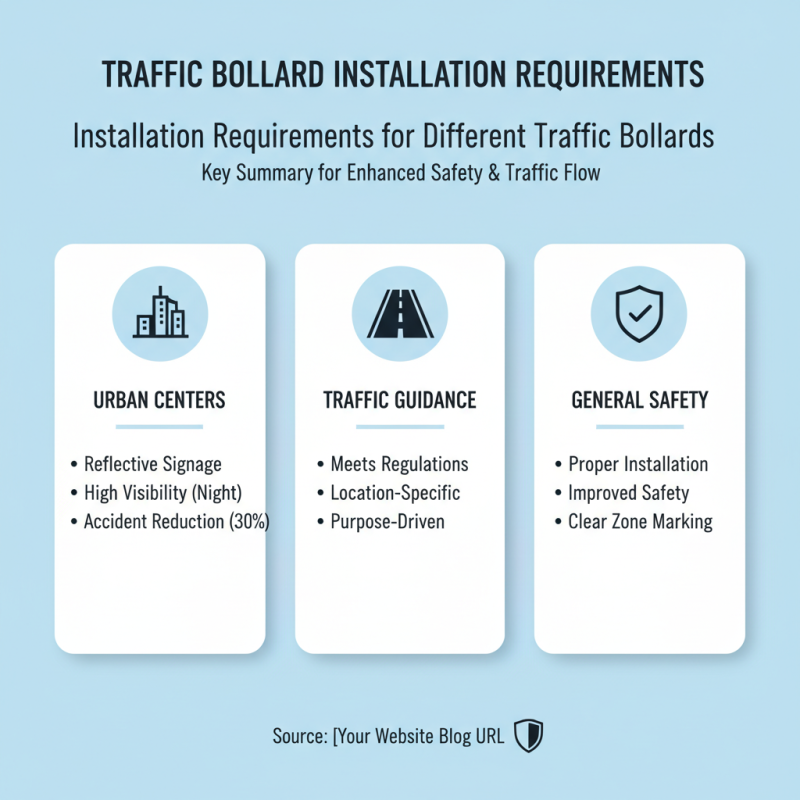
When selecting a traffic bollard, installation requirements are crucial. Properly installed bollards improve safety and help guide traffic. They must meet specific regulations based on location and purpose. For instance, urban centers often require reflective signs on bollards. These enhance visibility, especially at night. Studies show that clearly marked zones can reduce accidents by up to 30%.
Solar Bollards provide an eco-friendly option. They harness solar energy, reducing installation complexities tied to electrical work. This makes them ideal for remote areas lacking power sources. However, they may not perform well in cloudy weather. Evaluating local climate can influence effectiveness. Research indicates that consistent sunlight exposure maximizes their efficiency. Misjudging this can lead to inadequate lighting and safety concerns.
One must also consider maintenance. Some bollard types require regular inspections to ensure functionality. Without due diligence, minor issues can escalate into costly repairs. Choosing materials that withstand weather conditions is essential for longevity. A thorough analysis of the site's needs will facilitate proper bollard selection and installation. Understanding these factors can greatly enhance the overall effectiveness of the project.
Maintenance and Durability of Traffic Bollards
Traffic bollards are essential for guiding and protecting pedestrians and vehicles. Their maintenance and durability play crucial roles in ensuring safety. When selecting the right bollard, consider materials that withstand various weather conditions. Concrete, for instance, is heavy-duty and offers longevity. However, lighter options like plastic may require more frequent replacement.
Regular inspection is necessary to ensure bollards are functioning properly. Surface damage can occur due to vehicle impact or harsh weather. Noticing small cracks early can prevent larger issues. Rising Bollards can be especially effective, providing flexibility and security without obstructing traffic when not in use. Their moving parts do require periodic checks for wear.
Establishing a maintenance schedule is vital. This ensures all bollards remain visible and secure. Additionally, the environment impacts durability. Areas with heavy salt usage, like coastal regions, may accelerate wear. Understanding these factors can guide your choices and enhance safety in your project.
Cost Analysis of Various Traffic Bollard Options
When considering traffic bollards for your project, a cost analysis is crucial. The price varies based on materials, height, and function. For instance, high-quality concrete bollards can cost between $1,000 and $2,500 each, providing robust protection but at a higher initial investment. On the other hand, plastic or PVC options are significantly cheaper, typically ranging from $50 to $300.
It's essential to weigh long-term value against upfront costs. Steel bollards, while more expensive upfront, offer durability with a lifespan surpassing two decades. Studies show that investment in durable options may save money over time. A report by the National Association of City Transportation Officials highlights that communities can avoid higher damage repair costs by using sturdy bollard solutions.
Consider also installation expenses, which vary widely depending on complexity. A basic installation might start at $150, but specialized installations can increase costs significantly. Proper planning can sometimes identify cheaper alternatives or installation methods. Evaluating both immediate and future financial implications is vital before making a choice.
Case Studies: Successful Implementation of Traffic Bollards
Traffic bollards play a crucial role in urban safety and management. They can prevent vehicle access to pedestrian zones, enhancing safety. In one case, a city implemented Manual Bollards at key intersections. These were strategically placed to control traffic flow during events. The results showed a significant reduction in traffic accidents.
Another interesting case features a shopping district that used retractable bollards. These allowed service vehicles access during off-peak hours. Feedback from the community highlighted improvements in pedestrian safety. However, not all bollard installations were successful. Some areas faced challenges with maintenance and durability.
It's essential to choose the right type of bollard for specific needs. Manual bollards are effective but require regular monitoring. In some cases, they may not deter determined drivers. Proper training for staff managing these installations is also vital. This ensures long-term effectiveness and community trust in the system.
What is the Best Traffic Bollard for Your Project Needs? - Case Studies: Successful Implementation of Traffic Bollards
| Project Name |
Location |
Bollard Type |
Material |
Purpose |
Implementation Date |
Outcome |
| Downtown Revitalization |
City Center |
Retractable Bollard |
Steel |
Traffic Control |
2022-05-15 |
Reduced traffic congestion by 30% |
| Park Redevelopment |
Central Park |
Fixed Bollard |
Concrete |
Pedestrian Safety |
2021-07-20 |
Improved safety for park visitors |
| University Campus Upgrade |
College Town |
Solar Powered Bollard |
Aluminum |
Lighting and Visibility |
2023-01-10 |
Enhanced nighttime visibility |
| Shopping Mall Protection |
Suburban Area |
Flexible Bollard |
Polyethylene |
Vehicle Collision Prevention |
2023-04-05 |
Minimized damage from vehicle impacts |
Innovative Security Solutions: The KAVASS In-Ground Carbon Steel Fixed Bollard with Conical Top Cap
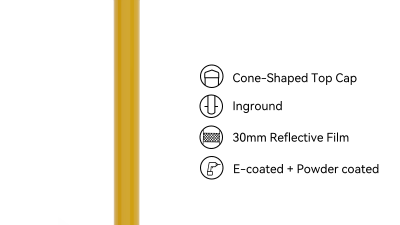
The innovative security solution represented by the in-ground carbon steel fixed bollard with a conical top cap is designed to meet the demands of modern safety and durability. Crafted from high-strength Q235 carbon steel, this bollard not only provides exceptional impact resistance, making it ideal for high-traffic areas such as parking lots and industrial sites but also features a unique design that facilitates effective water runoff. The conical top cap contributes to improved drainage, minimizing dust accumulation and enhancing the overall maintenance of the installation.
With various diameter options available, including sizes from 89mm to 220mm, this bollard stands at a standard height of 900mm above ground, with a total length of 1200mm that includes a 300mm underground portion for secure installation. The surface treatment of E-coating followed by powder coating ensures long-term durability, backed by a two-year warranty. Designed for easy installation, this bollard is equipped with a fixing bar at the base, allowing for reliable concrete pouring and permanent security. This innovative product is perfect for municipal security zones, providing robust protection where it is needed most.
FAQS
: Traffic bollards are posts used in urban planning. They guide traffic and protect pedestrians.
They create barriers between vehicles and people, reducing accident risks. This is vital in busy areas.
Consider the purpose first. Are you focusing on safety, traffic control, or aesthetics? This guides your choice.
Common materials include steel and plastic. Steel is strong but can rust. Plastic is colorful but less durable.
Harsh weather can impact durability. Choose materials based on the environment for long-lasting effectiveness.
Yes, some require complex setups. Simpler installations can save time and cuts costs, which is important.
Yes, choosing decorative bollards for high-traffic areas may not always ensure safety. A balance is needed.
Reflecting on specific project requirements is key. Unique needs may require compromises in safety or aesthetics.
In high-traffic areas, taller and sturdier bollards may be necessary. In quieter zones, shorter options can work well.
Yes, budget can limit choices. Balancing quality, aesthetics, and costs is essential for effective planning.
Conclusion
Traffic bollards are essential safety features used in various projects to manage vehicle access and protect pedestrians. This article outlines the different types of traffic bollards available, focusing on material and design options that cater to specific project needs. When selecting the appropriate bollard, it is crucial to consider factors such as installation requirements, maintenance, and durability to ensure longevity and effectiveness.
Additionally, a cost analysis of various traffic bollard options helps project planners make informed decisions. The article includes case studies showcasing the successful implementation of traffic bollards in different environments, highlighting their importance in promoting safety and order in public spaces. Ultimately, understanding the purpose and functionality of traffic bollards is vital for any project aiming to enhance traffic management and pedestrian safety.