Picking the right packaging can really make or break your product’s success. You know, Metal Cans are often a go-to because they’re tough and versatile — pretty much built to last. But here’s the thing: choosing the best ODM (that’s your design partner) and OEM (manufacturing partner) isn’t always straightforward. There are a lot of factors at play—cost, quality, design skills—you get the idea.
A good supplier isn’t just about having the right products; they bring expertise and can customize to fit what you need. It’s really important they understand your product’s vibe and what your target market expects. Don’t just go with the first option — take the time to check out their background, experience, and past work. That way, you’ll have a better idea if they can deliver high-quality metal cans.
And honestly, don’t feel pressured to make a quick decision. It’s worth spending a little extra time thinking about your brand values and what your product really needs.
The market is loaded with options, which can be pretty overwhelming — I get it. But asking the right questions can help clear things up. Think about things like sustainability, safety, and how it looks. Focusing on what truly matters will help you build a solid partnership, and in the end, your choice could seriously boost your product’s image and sales.
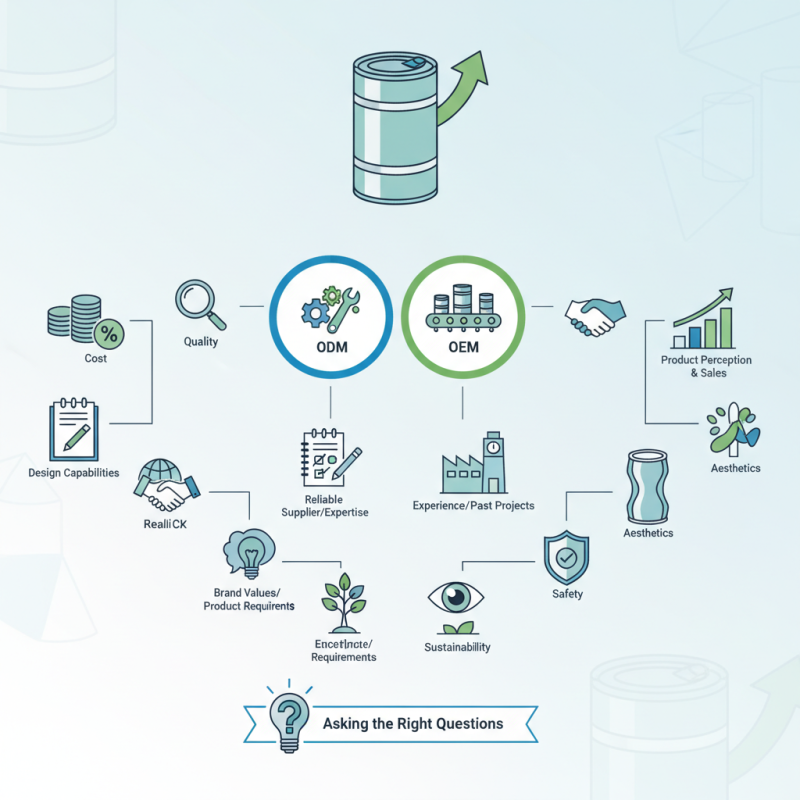
Understanding ODM (Original Design Manufacturer) and OEM (Original Equipment Manufacturer) can greatly impact your product's packaging decisions. ODMs create products based on their designs, allowing brands to focus on marketing. They can streamline the process and reduce time to market. On the other hand, OEMs manufacture products according to brand specifications. They emphasize customization for brands that have established designs.
When considering metal cans, knowing these differences is crucial. OEMs may offer more flexibility in terms of design tweaks, which may lead to higher production costs. ODMs typically provide quicker turnaround times since they have ready-made designs. This can be appealing for businesses looking to launch products rapidly. However, using ODM services may limit your personal branding options.
Choosing between ODM and OEM also requires careful thought about quality standards. ODMs might cut corners to expedite production. It's essential to evaluate the reliability of potential partners thoroughly. Research is necessary here; asking questions and verifying credentials can save future troubles. Investing time in understanding these models can lead to better outcomes for your product's success.
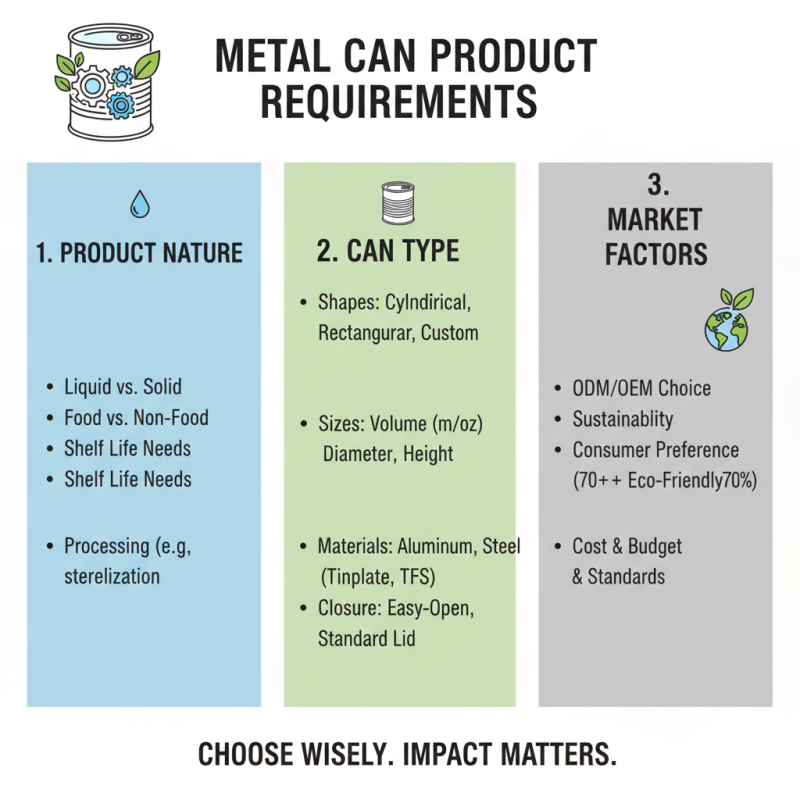
When selecting ODM and OEM metal cans for your product, identifying your specific requirements is crucial. Metal cans come in various shapes, sizes, and materials. Understanding the nature of your product will help you make informed choices. For instance, a recent industry report indicated that over 70% of consumers prefer metal packaging for its sustainability features. This data underlines the importance of choosing eco-friendly options.
Consider the storage conditions and shelf-life of your product. If you are packaging a beverage, the can must withstand pressure from carbonation. On the other hand, products susceptible to oxidation may require specialized linings. Experts suggest that nearly 40% of product spoilage issues arise from improper packaging. Evaluating factors like these can enhance product longevity and consumer satisfaction.
Moreover, exploring design and labeling options is essential. The visual appeal of metal cans can significantly impact consumer behavior. According to research, 64% of consumers have made a purchase based solely on packaging design. While functionality should be paramount, aesthetics cannot be overlooked. Balancing these elements will lead to a more effective product presentation in a competitive market.
When selecting ODM and OEM metal cans, durability and safety are critical factors. Materials must withstand various conditions, including temperature fluctuations and physical impacts. Metal options often include aluminum and steel. Each material has its unique attributes. Aluminum cans are lighter and resistant to corrosion. Steel cans, however, provide superior strength and longevity.
Evaluating the safety of these materials is essential. Some metals may interact with contents they hold, leading to contamination. Choosing food-safe coatings can enhance safety. Testing the can's integrity under expected conditions will ensure performance. Without testing, there is a risk of product failure.
Another point of reflection involves environmental impact. While metal is recyclable, the lifecycle of the product matters. Many companies promote the use of recyclable materials, but not all options are equally sustainable. Beyond just recycling, companies must consider the production practices of suppliers. This attention to sustainability is crucial for responsible sourcing. Recycling trash cans properly can minimize waste and contribute to a greener future. It’s vital to weigh these factors when making informed choices for your products.
When choosing a manufacturer for your metal can production, consider their experience. A knowledgeable OEM or ODM can provide valuable insights. Look for a company that has a strong history in can production. This background often indicates quality and reliability.
Quality materials are vital in any metal can production. Assess the manufacturer’s sourcing of raw materials. Ensure they comply with safety standards. This attention to detail reflects their commitment to excellence. Don't hesitate to ask for certifications or references. Manufacturers that are transparent create trust.
Pay attention to flexibility. A good manufacturer should adapt to product changes quickly. Your needs can evolve, and having a responsive partner helps. Evaluate their production capabilities. Ensure they can scale up if demand increases. Remember, finding the right fit may take time. Each decision shapes your product’s success, from the cans to how they hold up in commercial settings.
The bar chart above illustrates the key preferences for choosing metal can manufacturers based on five critical factors: Durability, Cost Efficiency, Customization, Lead Time, and Sustainability. Each factor is evaluated on a scale from 0 to 100, indicating how often it is prioritized by customers.
When choosing ODM and OEM metal cans, it’s crucial to evaluate production capabilities and quality control standards. Many manufacturers are not transparent about their processes. A recent industry report indicated that nearly 30% of cans tested in a quality assurance study showed discrepancies in material thickness. This poses a risk, especially for products requiring durability, such as food containers or industrial storage.
Understanding a manufacturer’s production methodologies can help you identify potential inconsistencies. Look for certifications, such as ISO 9001, which ensure adherence to quality management systems. Additionally, consider manufacturers with robust audits. These audits can reveal how a company responds to quality control failures and whether they implement corrective actions.
Also, ensure the manufacturer can handle your volume requirements. An inadequate supply chain can lead to delays, affecting your market position. In an analysis of metal can production rates, about 20% of companies reported struggling during peak seasons. If they cannot meet demand, you risk losing customers. Scrutinizing these aspects can lead to better choices in your supply chain and product longevity, even in sectors like Commercial Garbage Cans.
When choosing ODM and OEM metal cans, design flexibility is crucial. Manufacturers offer various customization options. Consider your product's specific needs, including size, shape, and finishes. A unique design can enhance your brand image and attract consumers. Think about how colors and graphics will appeal to your target audience.
One important tip is to assess the available materials. Aluminum and steel each have unique properties. Choose the one that best aligns with your product’s requirements. You might want a lightweight option or a sturdier choice for different functionalities.
Additionally, it’s wise to evaluate the production process. Customization can lead to longer lead times. Always communicate your needs clearly to avoid delays. Insist on samples before finalizing an order. This will help you understand the final product better. Engaging directly with manufacturers can reveal hidden opportunities for improvements or adjustments.
When choosing ODM and OEM metal cans, understanding cost factors is crucial. Research indicates that metal can production costs vary significantly based on materials. For instance, aluminum cans generally incur higher raw material expenses than steel. The average cost of aluminum has been reported at $2,400 per ton in recent market analyses, whereas steel is around $700 per ton. This difference directly impacts your total order price.
Tip: Always request detailed quotes from multiple suppliers. Comparing costs helps ensure you get the best deal. Hidden fees for tools, set-up, or last-minute changes can inflate the final price.
Another cost factor to consider is production volume. Economies of scale play a vital role in determining pricing. Ordering larger quantities generally lowers the per-unit cost. According to a recent industry report, increasing production by 30% can reduce unit costs by 10%.
Tip: Look for suppliers that offer tiered pricing. This strategy allows for flexibility based on your needs. Additionally, pay attention to lead times and their impact on overall cost. Slower production increases storage rates, impacting your budget further.
Understanding these pricing strategies can lead to more effective negotiations and ultimately, better decisions for your product packaging, even extending to areas like Metal Trash cans when considering waste management solutions.
| Tip Number | Tip Description | Cost Factors | Pricing Strategies |
|---|---|---|---|
| 1 | Define your product requirements | Material costs, size | Bulk pricing discounts |
| 2 | Research manufacturers | Production capabilities | Negotiation based on quotes |
| 3 | Assess minimum order quantities | Inventory costs | Cost optimization strategies |
| 4 | Evaluate quality standards | Quality control processes | Premium pricing for quality |
| 5 | Understand packaging options | Type of can, closure methods | Packaging upcharges |
| 6 | Scrutinize lead times | Production and shipping times | Time-sensitive discounts |
| 7 | Check certifications | Compliance costs | Value-based pricing |
| 8 | Request samples | Sample production costs | Sample fees as a investment |
| 9 | Review terms and conditions | Legal costs | Flexible contract negotiations |
| 10 | Build a solid relationship | Long-term partnership savings | Loyalty discounts |
: Identify specific requirements like shapes, sizes, and materials for your product.
Over 70% of consumers prefer metal for its eco-friendly features.
Packaging must withstand pressure, especially for carbonated beverages.
Nearly 40% of spoilage issues arise from improper packaging choices.
Visual appeal matters; 64% of consumers buy based on design alone.
Look for experience, quality material sourcing, and compliance with safety standards.
A responsive manufacturer easily adapts to changing product needs.
Ensure they can scale production efficiently if demand increases.
Request certifications and references to verify their quality standards.
Yes, this process takes time and careful evaluation of multiple factors.
When selecting ODM and OEM metal cans for your products, it is crucial to understand the definitions and differences between these manufacturing approaches. Begin by identifying your specific product requirements, considering aspects such as material options that ensure durability and safety. This will set the foundation for choosing the right manufacturer who can meet your production needs while adhering to quality control standards.
Next, assess the production capabilities of potential manufacturers and their flexibility in design and customization, as this can significantly impact the final product. Additionally, analyzing cost factors and pricing strategies is essential to maintain your budget without compromising quality. By following these essential tips, you can make informed decisions when choosing metal cans that align with your product goals and market expectations.