In today's world, managing waste efficiently isn't just a good idea—it’s actually pretty essential for businesses. And that’s where Commercial Trash Cans come into play. They’re more than just your average trash bins. When you pick a well-designed one, it doesn’t just keep things tidy; it can also give your company a better image and show that you care about cleanliness.
Lots of manufacturers out there specialize in customizing solutions for different commercial needs. Each one brings something unique to the table—whether that’s clever designs, special features, or eco-friendly materials. You’ll find options catering to pretty much every type of business, so you’re bound to find something that fits.
That said, it’s super important to choose the right manufacturer. You want to think about quality, design, and how well it meets your specific needs. Checking out their portfolios can give you a good idea of what they’re capable of. At the end of the day, the right Commercial Trash Can can really make a big difference—so it’s worth taking some time to pick carefully.
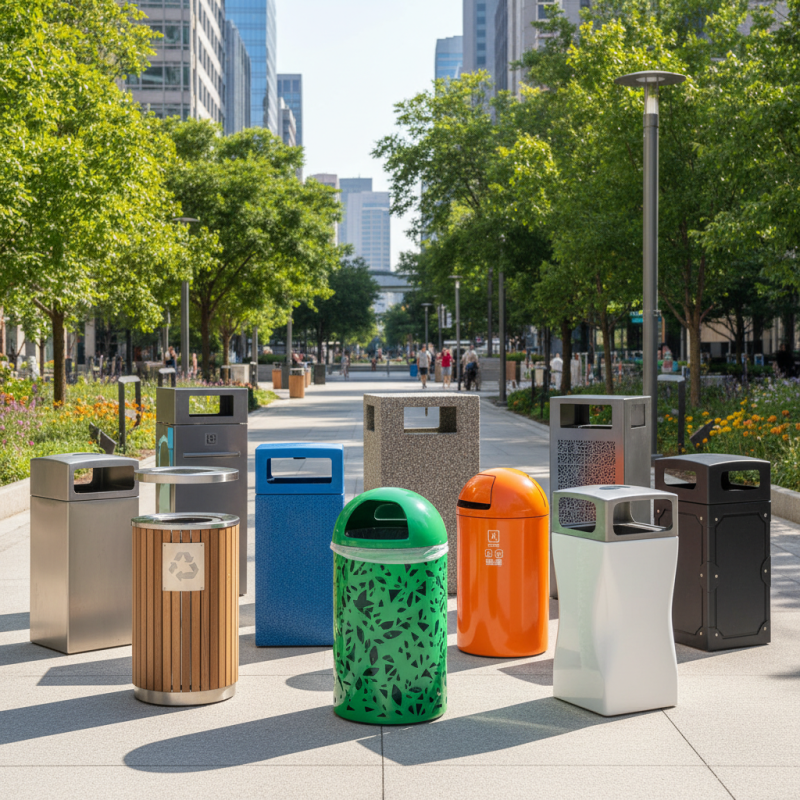
OEM custom commercial trash can manufacturing has grown significantly. This production sector focuses on creating tailored solutions for businesses. Understanding the processes involved can help buyers choose the right manufacturer.
Manufacturers typically emphasize quality, durability, and design flexibility. They often use various materials like plastic, metal, or composite. Each material affects the product's lifespan and appearance. Companies should evaluate their specific needs before selecting materials. Different industries may require different features in Commercial Garbage Cans, such as size, mobility, or waste segregation capabilities. Engaging with the manufacturer during the design phase can lead to better results.
However, the road to finding an ideal partner is not always smooth. Some manufacturers may overpromise and underdeliver. Quality control can sometimes be neglected, resulting in inconsistencies. Buyers should be prepared to assess samples critically. Establishing clear communication can prevent misunderstandings. Be prepared to provide detailed requirements to ensure the final product meets expectations.
| Manufacturer Location | Production Capacity (Units/Month) | Material Types | Customization Options | Certifications |
|---|---|---|---|---|
| USA | 5000 | Steel, Plastic | Color, Size, Logo | ISO 9001 |
| Germany | 3000 | Aluminum, Plastic | Color, Logo | CE, ISO 14001 |
| China | 10000 | Plastic, Metal | Size, Color, Design | ISO 9001, SGS |
| Canada | 4000 | Wood, Plastic | Custom Sizes, Logos | FSC, ISO 9001 |
| Italy | 2500 | Plastic, Steel | Design, Size, Color | ISO 14001 |
| Japan | 7000 | Stainless Steel, Plastic | Custom Logos, Colors | JIS, ISO 9001 |
| Australia | 3500 | Recycled Plastic | Sizes, Colors | Green Stamp, ISO 14001 |
| France | 2000 | Metal, Wood | Custom Sizes | ISO 9001, CE |
| India | 6000 | Plastic, Metal | Shapes, Colors | ISO 9001 |
| South Korea | 8000 | Plastic, Composite | Color, Size, Logo | ISO 14001 |
Choosing the right OEM trash can manufacturer requires careful consideration. Key criteria help in making an informed decision. First, assess the manufacturers' production capabilities. A reputable company should offer a diverse range of products, including Recycle Trash Cans. This variety indicates their ability to adapt to market needs and consumer preferences.
Next, evaluate the manufacturer's experience in the industry. According to industry reports, companies with over ten years of experience tend to showcase higher reliability and quality in their products. Additionally, look into the materials used in their manufacturing process. Sustainable materials are gaining popularity, as 67% of consumers prefer eco-friendly options. It is also crucial to check certifications that reflect their commitment to quality and environmental responsibility.
Finally, consider customer service and support. Efficient communication can greatly impact the manufacturing process. A manufacturer that prioritizes customer feedback is likely to produce better products. Nonetheless, some manufacturers may claim high-quality standards but fall short in execution. Hence, reviewing case studies and customer testimonials is wise to avoid potential setbacks.
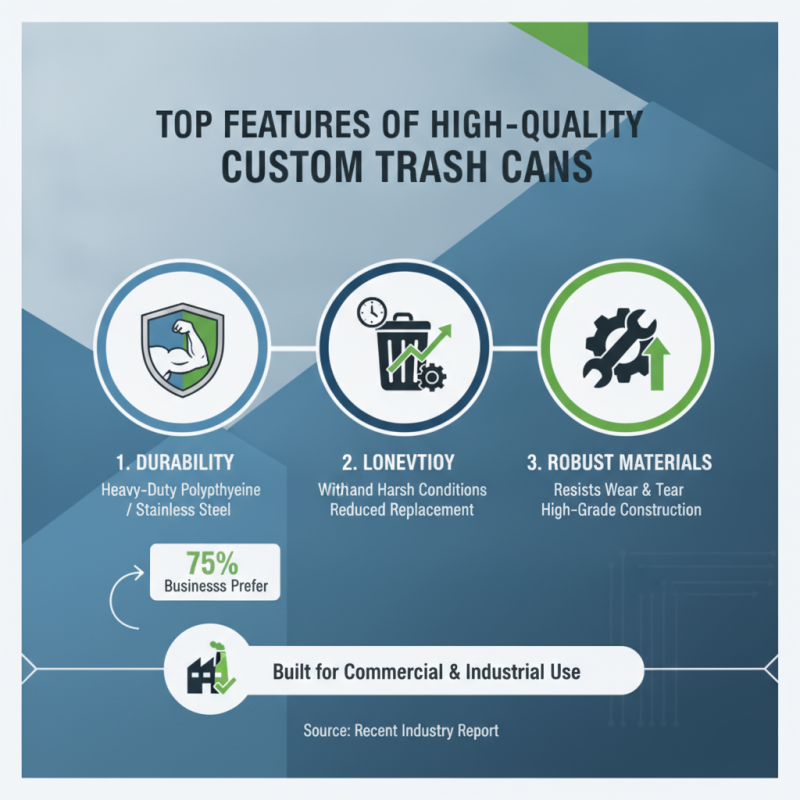
When considering commercial trash cans, certain features elevate them to high-quality standards. Durability is key. With regular usage in busy environments, trash cans endure a lot. Materials such as heavy-duty polyethylene or stainless steel enhance their lifespan. According to a recent industry report, 75% of businesses prefer cans that can withstand harsh conditions.
Design plays a vital role too. Some trash cans come with ergonomic handles, making them easier to move. Others feature anti-tipping designs to prevent spills. Aesthetic appeal is essential in public spaces, influencing how patrons perceive cleanliness. Customization options can also enhance brand visibility, making trash cans more than just functional items.
Tip: Look for models with easy-access lids and foot pedals. These features improve hygiene and reduce contact with surfaces. A report reveals that 68% of users prefer hands-free options for waste disposal.
Regardless of these features, it’s important to assess the specific needs of your space. Not all trash cans fit every scenario. Considering waste volume, space dimensions, and user traffic is crucial. Making the right choice influences both efficiency and user satisfaction in any commercial setting.
In the commercial waste management sector, OEM manufacturers play a vital role. A report by Market Research Future notes that the demand for waste containers is expected to reach a market value of $5.2 billion by 2025. Many businesses are looking for tailored solutions to meet their unique waste disposal needs.
Leading OEM manufacturers specialize in various designs. This includes indoor and outdoor solutions tailored for specific industries. The customization may involve materials like stainless steel or recycled plastic. According to the National Industry Association, about 30% of companies prioritize sustainability in their trash can selections. This shift reflects a broader trend across industries aiming to reduce their environmental impact.
However, not all manufacturers offer the same level of quality assurance and customer service. Businesses often face challenges in finding reliable partners. Some manufacturers may promise quick turnaround times but fail to meet expectations. An informed choice requires checking certifications and past performance records. The balance between cost and quality remains critical in making wise procurement decisions.
When considering OEM custom commercial trash can manufacturers, product offerings vary widely. Many manufacturers specialize in specific designs. For example, some focus on recycling solutions. Others may emphasize outdoor durability. Features like aesthetic appeal and ergonomic designs are increasingly important to customers.
Pricing is another critical factor. Some manufacturers offer premium materials but at a higher cost. Meanwhile, others provide budget-friendly options with fewer features. It's essential to weigh the pros and cons of each offering. This allows businesses to align choices with functional needs and budgetary constraints. Not all manufacturers are equal; some may lack innovation or responsive customer service.
Durability must also be examined. Materials like stainless steel or high-density polyethylene can withstand tough environments. However, not all manufacturers prioritize these materials. Some compromise by using lower-grade plastics. This can affect longevity and maintenance needs. It's wise to consider these aspects carefully. The right choice can influence both waste management efficiency and overall satisfaction for years to come.
The shift towards innovative designs in commercial trash cans has significantly impacted the waste management industry. Recent market research indicates that the global waste management market is expected to grow to $530 billion by 2025. This growth pushes manufacturers to explore advanced materials and designs. For instance, integrating eco-friendly plastic composites has emerged as a leading trend. These materials not only promote sustainability but also reduce manufacturing costs.
Metal Cans are gaining popularity as well. Their durability makes them suitable for various environments, from busy urban streets to serene parks. In an era focused on reducing waste, the use of recyclable metals presents an advantage. However, the question remains: are metal cans the best option? While they offer longevity, they can also be heavy and cumbersome. Many customers seek lightweight alternatives for ease of transport and placement.
Moreover, innovative designs are essential to meet diverse consumer needs. For example, trash cans that include touchless features or built-in odor control systems are becoming more sought after. However, these advancements can increase production costs and price points. Balancing innovation with affordability is a challenge that many manufacturers face. As businesses look for cost-effective solutions, the evolving landscape of trash can technology continues to invite reflections on sustainability and functionality.
The landscape of commercial trash can manufacturing is evolving rapidly. Companies are increasingly focusing on sustainable materials. The demand for eco-friendly options has surged among businesses looking to enhance their environmental footprint. This shift often leads to challenges in sourcing and production. Manufacturers must adapt quickly to these trends, which can be daunting.
Moreover, smart technology is influencing design. Many new Commercial Trash Bins come equipped with sensors for monitoring waste levels. This innovation helps businesses manage waste more efficiently. However, integrating technology introduces complexity. Companies must strike a balance between durability and modern features in their products.
Another noteworthy trend involves aesthetics. Businesses seek commercial trash bins that complement their branding. This nuance creates pressure on manufacturers to offer more customization. However, the pursuit of stylish designs shouldn’t compromise functionality. Finding the right balance is vital for success. Some manufacturers may struggle to meet these diverse needs efficiently. The changing landscape presents both opportunities and challenges for the industry.
: Heavy-duty polyethylene and stainless steel enhance durability and extend lifespan.
Good design makes trash cans ergonomic and prevents spills, affecting public perception of cleanliness.
Easy-access lids and foot pedals reduce contact, promoting better hygiene practices for users.
Assess waste volume, space dimensions, and user traffic to ensure optimal usage and satisfaction.
Eco-friendly materials promote sustainability and lower manufacturing costs, appealing to environmentally-conscious businesses.
While metal offers durability, it can be cumbersome. Lightweight alternatives may be easier to transport and use.
Sensors for waste monitoring enhance efficiency but can complicate production. Balancing features is essential.
Custom designs can enhance branding, but style should not replace functionality, which remains critically important.
Sourcing sustainable materials and keeping production costs low can be daunting amid rising demand for eco-friendly options.
Meeting diverse consumer needs and balancing innovation with affordability require careful planning and execution.
The article "Top 10 OEM Custom Commercial Trash Can Manufacturers You Should Know" provides a comprehensive overview of the custom commercial trash can manufacturing sector. It highlights essential criteria for selecting the best OEM manufacturers, emphasizing quality, durability, and innovative designs. The characteristics of high-quality commercial trash cans are discussed, including materials and functionality, which are crucial for effective waste management in commercial spaces.
Moreover, the piece outlines leading OEM manufacturers and compares them based on their product offerings, allowing readers to understand the variety available in the market. It also examines industry trends that are shaping the future of commercial trash can production, such as sustainability and technological advancements. By understanding these factors, businesses can make informed decisions when investing in commercial trash cans that meet their operational needs.