Nowadays, in our busy cities, there's definitely been a huge jump in the need for secure bike parking options. More folks are choosing cycling as their go-to for being eco-friendly and saving time, which makes reliable bike lockers more important than ever. These lockers do more than just keep your bike safe from thieves—they also give cyclists a handy spot to park without hassle.
Figuring out the right ODM and OEM suppliers for bike lockers can be pretty tricky, though. There are so many things to consider—like what materials they use, how the designs look, and how sturdy they are. Brands like Wethepeople and Axiom do offer some cool, innovative options that suit different needs. But, and this is a big but, not all suppliers are on the same level when it comes to quality and standards. That can honestly be frustrating if you're trying to find something reliable.
As we explore these options, it’s really helpful to know which suppliers are standing out in the industry. Having a good idea of who to trust can save you from wasting money and make sure your bike stays secure. Just a heads up— not every option is equally good, so taking the time to do a little research before making a choice is totally worth it.
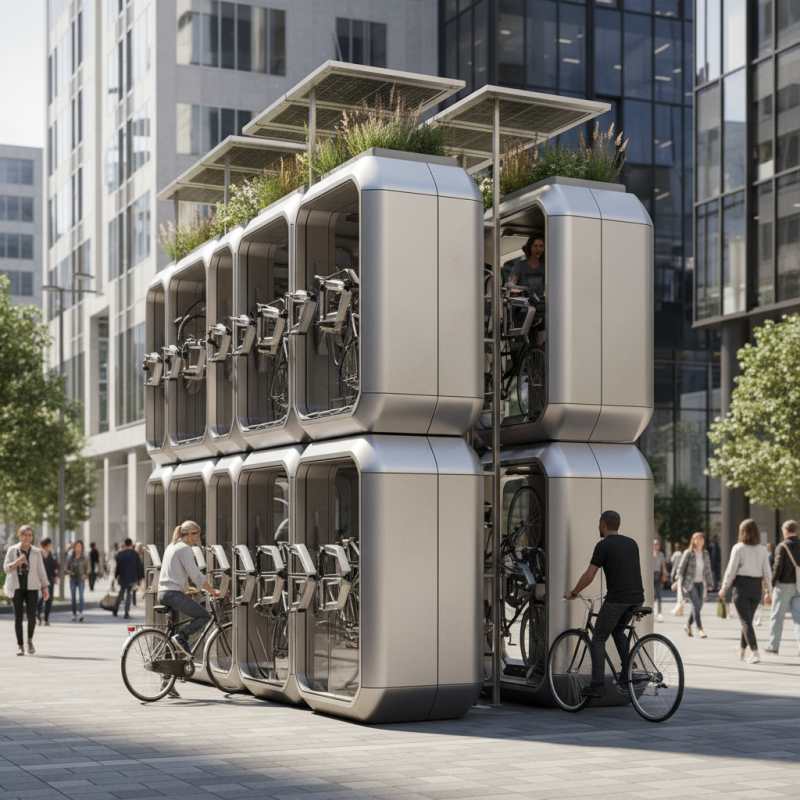
Understanding ODM and OEM in the Bike Locker Industry
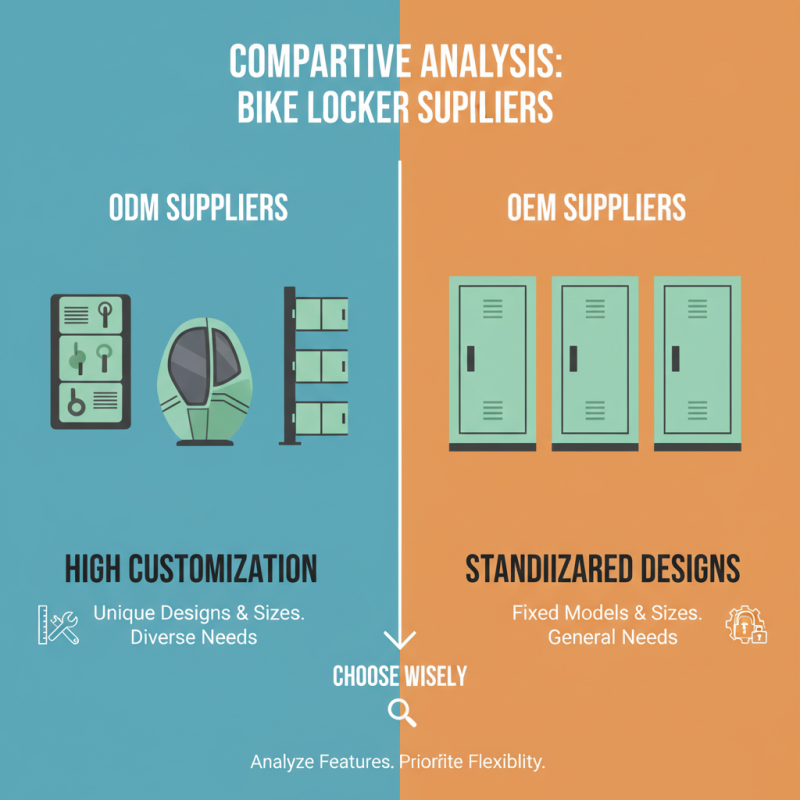
In the Bike Locker industry, understanding ODM (Original Design Manufacturer) and OEM (Original Equipment Manufacturer) is crucial. ODMs design and manufacture products for brands, while OEMs produce based on provided specifications. This distinction shapes the business models and partnership dynamics within the sector. Brands can utilize ODM to create unique bike locker designs tailored to their specific customer needs.
Quality control and adherence to industry standards often shift toward the manufacturing partner. This creates a reliance on their expertise and capabilities. While some manufacturers excel in producing innovative bike lockers, others may lack experience, affecting product quality. A potential risk arises if a partner cannot meet evolving design requirements. Many brands find themselves navigating these challenges as they aim for greater market presence.
The bike locker market demands flexibility and responsiveness. ODM relationships offer the chance for brands to innovate, but they also require thorough vetting of suppliers. Some businesses struggle to maintain oversight, potentially leading to inconsistencies in product quality. These complexities illustrate the importance of establishing strong partnerships with reliable manufacturers, ensuring that the bike lockers meet consumer expectations and industry standards.
Key Factors to Consider When Choosing a Bike Locker Supplier
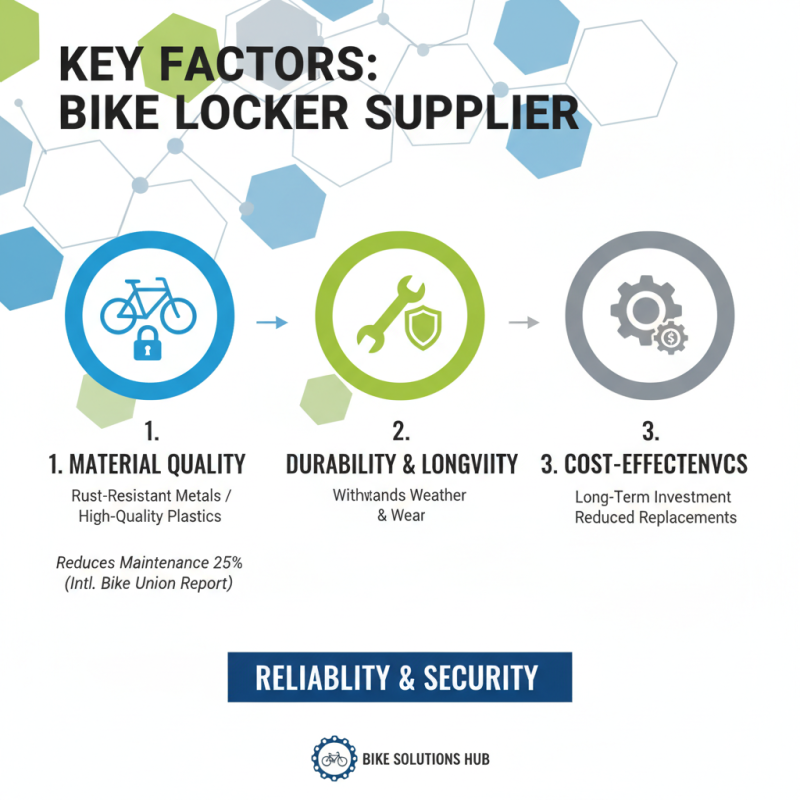
When selecting a bike locker supplier, several key factors demand attention. One significant consideration is the material quality. According to a report by the International Bicycle Union, durable materials can reduce maintenance costs by up to 25%. Choosing lockers made from rust-resistant metals or high-quality plastics ensures longevity and reliability.
Another aspect is the supplier’s experience in the industry. Research shows that suppliers with over five years of experience often deliver better customer support and product innovation. Additionally, understanding local climate conditions is crucial. For instance, UV-resistant lockers are essential in sunny regions, while insulated options work better in colder climates.
Lastly, flexibility in design matters too. A supplier that can customize bike lockers to fit specific space requirements offers a significant advantage. Yet, not all suppliers have the capability to adapt their designs. Potential buyers should request prototypes or renderings to visualize how the lockers will integrate with their space. The ability to see and touch a sample can greatly influence purchasing decisions.
Overview of the Top ODM OEM Bike Locker Suppliers
The demand for secure storage solutions has grown significantly. One of the most effective options is
The Bike Locker.
A recent market analysis indicates that the global bike locker market is expected to reach
$500 million by 2025. This growth is driven by urbanization and rising cycling trends.
Cities are developing bike-sharing programs, highlighting the need for reliable lockers.
When examining ODM and OEM suppliers, several aspects matter. Quality of materials and construction ensures that
The Bike Locker withstands various weather conditions. Many suppliers focus on
eco-friendly materials, aligning with sustainability goals. A report by the
International Bicycle Federation notes that 60% of urban cyclists prioritize storage solutions.
This statistic emphasizes the necessity for well-designed bike lockers.
Not all suppliers offer the same level of service. Some may lack customization options or after-sales support.
It's crucial to assess these factors carefully. Choosing a supplier with a strong reputation can greatly influence
customer satisfaction. Many suppliers are adapting to trends, but transparency in their processes remains a challenge.
Being aware of these nuances helps in making informed decisions regarding
The Bike Locker.
Comparative Analysis of Supplier Offerings and Features
When choosing an ODM or OEM bike locker supplier, each option presents unique offerings. It's essential to analyze specific features. For example, some suppliers prioritize customization. They allow unique designs and sizes, catering to specific storage needs. This flexibility benefits clients with diverse requirements.
Security features vary greatly among suppliers. Enhanced locking systems are increasingly popular. Some providers offer smart locking technology, integrating app control for convenience and tracking. Others rely on traditional locking mechanisms, which may lack modern security. Buyers must weigh their priorities.
Pricing structures can also be confusing. Some suppliers offer low upfront costs but may include hidden fees for shipping and installation. Others might present a higher sticker price but provide comprehensive services. Evaluating the total cost of ownership is crucial. Consider long-term value rather than just initial expenditures.
Innovations in Bike Locker Designs and Technologies
Bike lockers have evolved significantly, driven by innovations in design and technology. Modern bike lockers now incorporate smart features. These include app-controlled locks and built-in charging stations for electric bikes. Safety and accessibility are paramount. Advanced locking mechanisms ensure that bikes are secured against theft. Additionally, the use of durable and weather-resistant materials extends the lifespan of these lockers.
Sustainability has become a key focus. Manufacturers are increasingly using recycled materials. This approach not only reduces waste but also appeals to eco-conscious users. The design aesthetic has shifted towards sleek, compact shapes that fit urban environments better. While these advancements are impressive, challenges remain. For instance, users may struggle with the initial setup of smart features. There is also the need for consistent maintenance to ensure functionality.
User experience is another area for improvement. Some bike lockers may be difficult to locate or access, especially in large urban areas. Enhancements in signage and location mapping could solve these issues. Ultimately, while the bike locker industry is making significant strides, there is still room for growth and refinement to meet the needs of all cyclists.
Top 10 ODM OEM Bike Locker Suppliers: Innovations in Bike Locker Designs and Technologies
Sustainability Practices Among Leading Bike Locker Suppliers
Sustainability has become essential for bike locker suppliers. Many companies are revisiting their production processes and sourcing materials sustainably. They are focusing on using recycled metals and eco-friendly plastics to manufacture Secure Bike Lockers. These materials not only reduce environmental impact but also attract eco-conscious consumers.
Suppliers are also exploring innovative designs that enhance functionality and durability. Some incorporate solar panels for additional energy efficiency, while others create modular designs. These designs allow for easy upgrades and repairs, thus prolonging the lifecycle of the product. However, not all manufacturers are as committed. Some still rely on outdated practices that don’t prioritize sustainability.
Additionally, transparency in operations is critical. Consumers are increasingly questioning where components come from and how they're produced. Suppliers that share their sustainability practices, such as carbon footprint tracking, gain trust. Yet, some struggle to document their impact effectively. The journey toward complete sustainability is ongoing, with many lessons still to learn.
Top 10 ODM OEM Bike Locker Suppliers You Should Know - Sustainability Practices Among Leading Bike Locker Suppliers
| Supplier Type |
Sustainability Certifications |
Materials Used |
Energy Efficiency |
Waste Management Practices |
| OEM |
ISO 14001 |
Recycled Steel |
High Efficiency Motors |
Composting Initiatives |
| ODM |
LEED Certified |
Biodegradable Plastics |
Solar-Powered Options |
Zero Waste Targets |
| OEM |
Cradle to Cradle |
Aluminum Alloys |
LED Lighting Systems |
Recycling Programs |
| ODM |
FSC Certified |
Sustainable Wood |
Energy Star Rated |
Community Clean-Up Programs |
| OEM |
B Corporation |
Post-Consumer Recycled Materials |
Smart Energy Management |
Circular Economy Practices |
Future Trends in the ODM OEM Bike Locker Market
The ODM OEM bike locker market is at a pivotal point. According to a recent market analysis, the global demand for bike lockers is expected to grow by over 10% annually through 2028. This growth is driven by urbanization and increased cycling popularity as a sustainable transportation option. More cities are incorporating bike-sharing programs, thus boosting the need for secure Locker Bicycle solutions.
Advancements in technology also influence future trends. Smart bike lockers equipped with app-based access and integrated security features are becoming more common. This shift is supported by a report from the International Bicycle Association, indicating that 65% of users prefer lockers with enhanced security measures. Manufacturers are responding to this demand, but they face challenges in maintaining affordability while incorporating advanced technology.
Tips: Consider local trends when selecting Locker Bicycle suppliers. Not every market values the same features. Research your area's cycling habits to align with community needs. Always assess supplier reliability. A dependable supplier can greatly impact your customer satisfaction and long-term success.
Enhance Your Outdoor Adventures: The Benefits of KAVASS Right-Angle Hoop Bike Rack for Durability and Convenience
When it comes to enhancing outdoor adventures, having a reliable bike rack is essential. The durability and convenience of a high-quality bike rack can significantly improve the biking experience, particularly in environments that require frequent bike parking. A well-designed bike rack can offer not just functionality, but also peace of mind for users, knowing their bikes are secure and easily accessible.
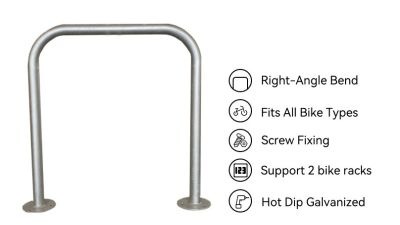
The right-angle hoop bike rack stands out for its robust construction, crafted from high-strength carbon steel and finished with hot-dipped galvanization. This treatment provides excellent corrosion resistance, ensuring that the rack maintains its integrity under harsh outdoor conditions such as rain, sun exposure, and temperature fluctuations. According to industry reports, properly designed bike racks can help reduce bike theft by as much as 50%, demonstrating the importance of security features in bike storage solutions.
Additionally, the efficient design of accommodating two bicycles per unit maximizes space while maintaining user-friendliness. This makes it an ideal choice for facilities like warehouses, transit hubs, and campuses where space optimization is crucial. With its ground-mountable base and simple installation process, this bike rack presents a cost-effective option for large-scale deployments, promoting a more bike-friendly environment that encourages outdoor activities and contributes to sustainable transport solutions.
FAQS
: ODM designs and manufactures products; OEM produces based on provided specifications.
Quality control ensures products meet industry standards and consumer expectations.
Dependence on manufacturers' expertise can impact product design and quality.
Increased urbanization and cycling popularity are driving demand for bike lockers.
Many consumers prefer smart lockers with app-based access and enhanced security.
Thoroughly vet suppliers to establish reliable partnerships that meet quality standards.
Balancing advanced technology with affordability poses significant challenges.
Different markets value various features, affecting design and supplier choices.
A failure to meet requirements can lead to inconsistencies in product quality.
Innovating through ODM relationships can help brands stand out in the market.
Conclusion
The article titled "Top 10 ODM OEM Bike Locker Suppliers You Should Know" delves into the essential concepts of ODM (Original Design Manufacturing) and OEM (Original Equipment Manufacturing) within the bike locker industry. It emphasizes the importance of understanding these terms to make informed decisions when selecting a bike locker supplier. Key factors to consider include quality, customization options, and pricing.
Additionally, the piece provides a comparative analysis of various suppliers, highlighting their unique offerings and features. Innovations in bike locker designs and technologies are showcased, reflecting evolving consumer needs and urban infrastructure demands. The article also discusses the sustainability practices adopted by leading bike locker suppliers, outlining their commitment to eco-friendly solutions. Lastly, it explores future trends in the ODM and OEM bike locker market, anticipating changes that will shape the industry landscape moving forward.